


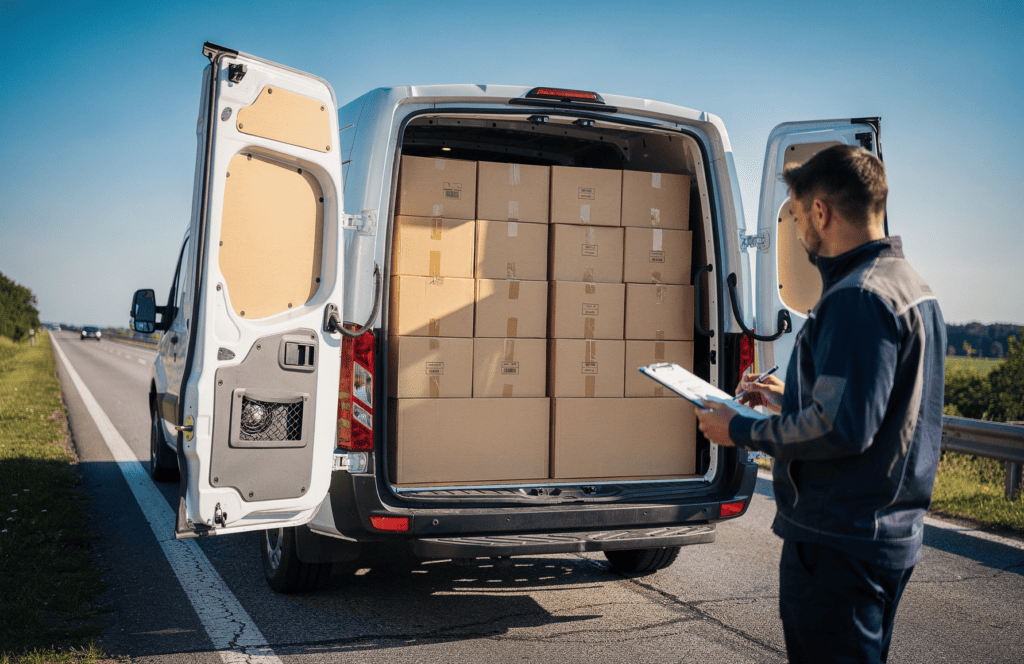
Thinking about expediting with a Sprinter van? Here’s exactly what you need to know before your first load.
If you’ve spent any time online this year, you’ve probably seen thousands of posts and videos about Sprinter van expediting – some realistic, and many… not so much. For brand-new owner-operators, the excitement is real. So is the confusion. Opinions about the “best van,” “best load board,” and “how much you’ll make” are everywhere, but real, grounded information is harder to find.
The truth is simpler and much more practical. Expediting can be a profitable, flexible small-business opportunity for a single van owner, but the people who succeed aren’t the ones chasing hype – they’re the ones who understand the basics before their first run.
Let’s walk through those fundamentals so you can start strong with realistic expectations, proper equipment, and a clear path to finding loads in 2026.
What Expediting Really Is (and Why Vans Are Perfect for It)
Expedited freight is the emergency lane of logistics. When an auto plant is about to shut down because one pallet of parts is missing, or when a hospital needs time-sensitive equipment delivered overnight, companies turn to expediters – the drivers who can move freight immediately without waiting for schedules. Sprinter and cargo vans are ideal for this niche:
- They move palletized freight fast (usually 1-3 pallets).
- They run direct deliveries without terminals or transfers.
- Most are under 10,001 lbs GVWR, meaning no CDL, no ELD, and no federal HOS rules.
That combination – speed, flexibility, and lower regulatory burden – is the foundation of the modern expedite market.
Because of this, van expediters routinely carry automotive components, aerospace parts, medical devices, electronics, and urgent e-commerce freight. These industries rely on fast, reliable delivery, and they continue to drive stable demand for expedited vans year after year. But revenue in expedited freight varies widely depending on cost structure and unpaid miles.
Choosing the Right Van for 2026
The best van for expediting is the one that safely carries the freight brokers need moved. That means focusing on payload and cargo space.
A typical 2024-2025 Sprinter 2500 high roof, extended wheelbase offers around 3,500-3,600 lbs of payload and enough length/height for multiple pallets. Heavy-duty Sprinters like the 3500 or 4500 can carry 5,000-6,800 lbs, but they come close to or exceed the 10,001 lb threshold that activates federal regulations.
That’s why most beginners choose the 2500 – it balances payload, cargo space, and regulatory simplicity.
As for engines, most experienced expediters still prefer diesel for high mileage durability and fuel efficiency, especially when running 60,000-100,000 miles a year.
Setting Up the Van: What You Actually Need
You do not need a van-life buildout or a camper conversion to succeed in expediting. You need a professional cargo space.
At minimum:
- E-track or logistics track rails
- Load bars, heavy-duty straps, moving blankets
- Plywood/laminate flooring (often insulated for noise and temperature)
A basic but durable commercial upfit usually costs $1,500–$3,000, depending on the quality of materials.
You can sleep on a simple cot, or use motels until you understand your work rhythm. A built-in sleeper is optional – not required to start.
Paperwork, Licensing & Insurance: The 2026 Rules
This part confuses most newcomers, so let’s simplify.
If your van is under 10,001 lbs GVWR, you do not need: a CDL, Federal HOS logs, and ELD. You only need a USDOT number if your van is over 10,000 lbs or if your state specifically requires it.
You only need MC Authority if you plan to run as your own carrier across state lines. Otherwise, you can lease onto an established expedite carrier and operate under their authority instead.
Insurance for a Sprinter cargo van typically runs $800–$1,200 per 6 months (~$150–$200/mo).
And one important change: the FMCSA increased UCR fees by about 25%, so registration is slightly higher than last year.
For most beginners, leasing onto a reputable expedite carrier simplifies everything: paperwork, compliance, load access, and sometimes fuel cards.
How New Drivers Actually Get Loads
There are four main sources:
1. Leasing onto an expedite carrier
The easiest entry point. You run under their authority, follow their dispatch, and they take a percentage.
2. Public load boards
They offer volume but also low rates, scam posts, and duplicated freight. Beginners often struggle to find consistent, good-paying loads there.
3. Independent dispatchers
They help find loads (usually for 10–15% fees), but contracts must be read carefully to avoid forced dispatch.
4. Vetted expedite platforms
A growing option for new drivers who want quality freight without calling 20 brokers for one load.
Platforms like ExpeditedJobs list expedited freight specifically for Sprinter/cargo vans from verified carriers–removing most of the noise, junk posts, and mismatched loads beginners face elsewhere.
For a full breakdown of owner-operator salary ranges in 2026 – including box trucks and OTR – see our updated analysis.


What Daily Life Really Looks Like
Expediting is fast, flexible, and unpredictable. One day you’re delivering a critical pallet at sunrise. The next day, you’re waiting in a parking lot for your next opportunity. That downtime is normal. Experienced drivers use it wisely – cleaning the van, repositioning toward freight zones, catching up on sleep, or checking vetted load sources.
Expedited freight tends to flow through key industrial and distribution regions – areas with active manufacturing, warehousing, and logistics networks. Staying positioned near these freight-dense zones dramatically increases your chances of getting rebooked quickly after a delivery. Experienced drivers often plan their routes to stay close to where freight moves, not just where it drops off.
You’ll also deal with cancellations, last-minute changes, weather delays, and the occasional repair in an inconvenient place. But you’ll also experience the satisfaction of delivering freight that truly mattered to a customer that day.
2026 Outlook: Why This Is Still a Strong Year to Start Expediting
If you’re entering the industry in 2026, you’re stepping into a market that’s reshaping, but in many ways becoming healthier. While general trucking has seen ups and downs, time-critical freight hasn’t slowed. Automotive plants still rely on small vans to prevent shutdowns. Hospitals still need equipment delivered immediately. Electronics and aerospace manufacturers still operate on tight timelines that only expediters can support.
What has changed is the approach successful drivers take. New expediters who treat this like a business –not a side gig – tend to thrive sooner. The ones who learn where freight moves, respond quickly to brokers, keep their vans professionally equipped, and place themselves in the right regions gain traction faster than ever.
If anything, 2026 rewards the prepared driver. There’s less guesswork, more visibility, and more vetted platforms helping newcomers avoid the trial-and-error mistakes that used to derail beginners. Many experienced operators now use structured load filters instead of chasing every posted rate.
For a new Sprinter owner-operator, the opportunity is absolutely here – you just need a solid foundation and a smart start.
Your Next Steps
If you’re serious about expediting in 2026, focus on the fundamentals: choose the right van, equip it properly, prepare your documents, take clean photos of your cargo space, and begin building relationships with carriers, dispatchers, and brokers.
When you’re ready to find loads, look beyond the noisy public boards. A vetted expedite platforms – like ExpeditedJobs, built specifically for Sprinter and cargo van runs – can help you avoid scams, save time, and book quality freight while you gain experience.
Sprinter Van Expediting: Common Questions New Drivers Ask
1. Do you need a CDL to run Sprinter van expediting in 2026?
No. If your Sprinter or cargo van is under 10,001 lbs GVWR, federal regulations do not require a CDL. Most expedited vans fall into this category, which is why van expediting is a common entry point for new drivers.
2. How much money can a Sprinter van owner-operator make in expediting?
Most Sprinter and cargo van expediters earn around $1.00–$2.00 per loaded mile, averaging about $1.50/mi. In practice, many new drivers gross around $1,800–$2,500 per week when running consistently in strong freight regions.
3. What equipment do I need inside my van for expediting?
To run professionally, your van needs a proper cargo setup: E-track or logistics track rails, load bars, heavy-duty straps, moving blankets, and insulated flooring. Brokers and carriers expect securement gear, and having it increases your chances of getting selected for loads.
4. Where do new Sprinter expediters find loads?
Beginners typically find loads by leasing onto an expedite carrier, using dispatch services, or joining vetted expedite platforms. Public load boards work for some drivers but can be inconsistent for beginners. Many Sprinter owners prefer ExpeditedJobs, which posts vetted Sprinter/cargo-van freight only.
5. Is 2026 a good year to start Sprinter van expediting?
Yes. Time-critical freight remains strong in 2026 – especially in automotive, aerospace, medical, and electronics sectors. Drivers who position themselves in freight-dense regions, communicate professionally, and use trusted load sources usually gain traction quickly.

Table of Content
- What Expediting Really Is (and Why Vans Are Perfect for It)
- Choosing the Right Van for 2026
- Setting Up the Van: What You Actually Need
- Paperwork, Licensing & Insurance: The 2026 Rules
- How New Drivers Actually Get Loads
- Want to Start Expediting With a Sprinter Van?
- What Daily Life Really Looks Like
- 2026 Outlook: Why This Is Still a Strong Year to Start Expediting
- Your Next Steps
- Sprinter Van Expediting: Common Questions New Drivers Ask


