


What owner-operators actually clear in 2026, what they don’t, and where the spread comes from.
Owner-operator pay in 2026 looks healthier than it did through the soft cycle of 2023-24, but the spread between operators is wider than the headline rates suggest. Two trucks running the same lane out of the same broker can clear $40,000 apart at year-end. Equipment is rarely the difference. Booking discipline, cost tracking, and lane consistency are.
The 2026 freight market
Capacity tightened through the back half of 2025 as smaller carriers exited and freight volumes recovered. Spot rates on most regional lanes are running 8-12 percent above 2024 lows. Fuel has settled in the $3.60-$3.85 range. Insurance and maintenance costs continue to climb faster than rates, which is why net margins are only modestly better than 2024 even as gross looks stronger.
What owner-operators actually earn
Earnings vary widely because operators run against very different cost structures. The American Transportation Research Institute’s 2025 Operational Costs of Trucking report benchmarks marginal cost per mile at $2.27 across the broader fleet. That’s a useful cost floor, not a salary figure. Loads above that line contribute to fixed costs and take-home; loads below pay the bank and the diesel pump but not the driver.
Realistic 2026 ranges, after the soft-cycle hangover and with steady freight rather than one-off premium loads:
| Equipment | Weekly gross | Net after expenses | Loaded RPM |
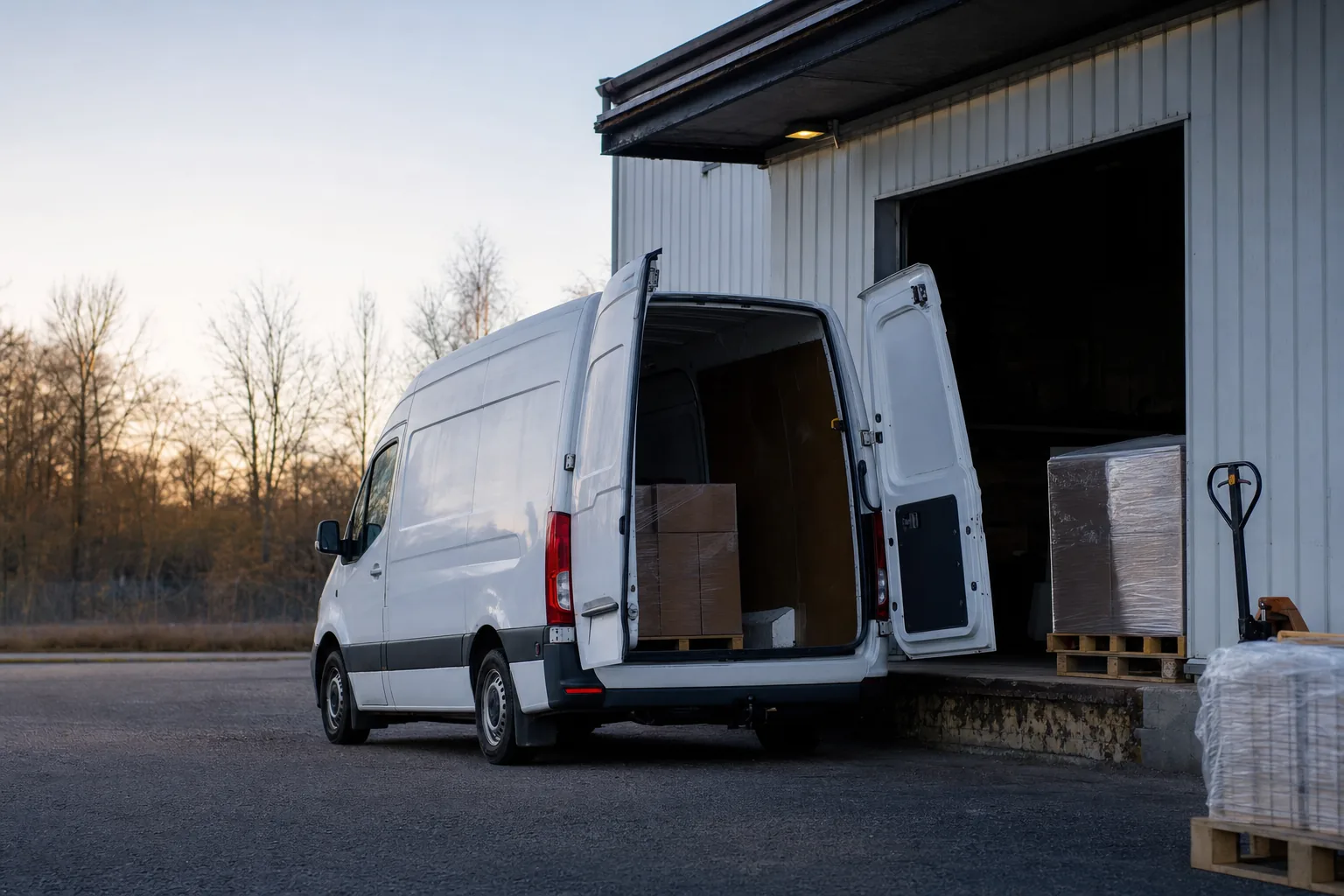
| Cargo van | $1,600 – $2,600 | $1,000 – $1,800 | $1.55 – $2.05 |
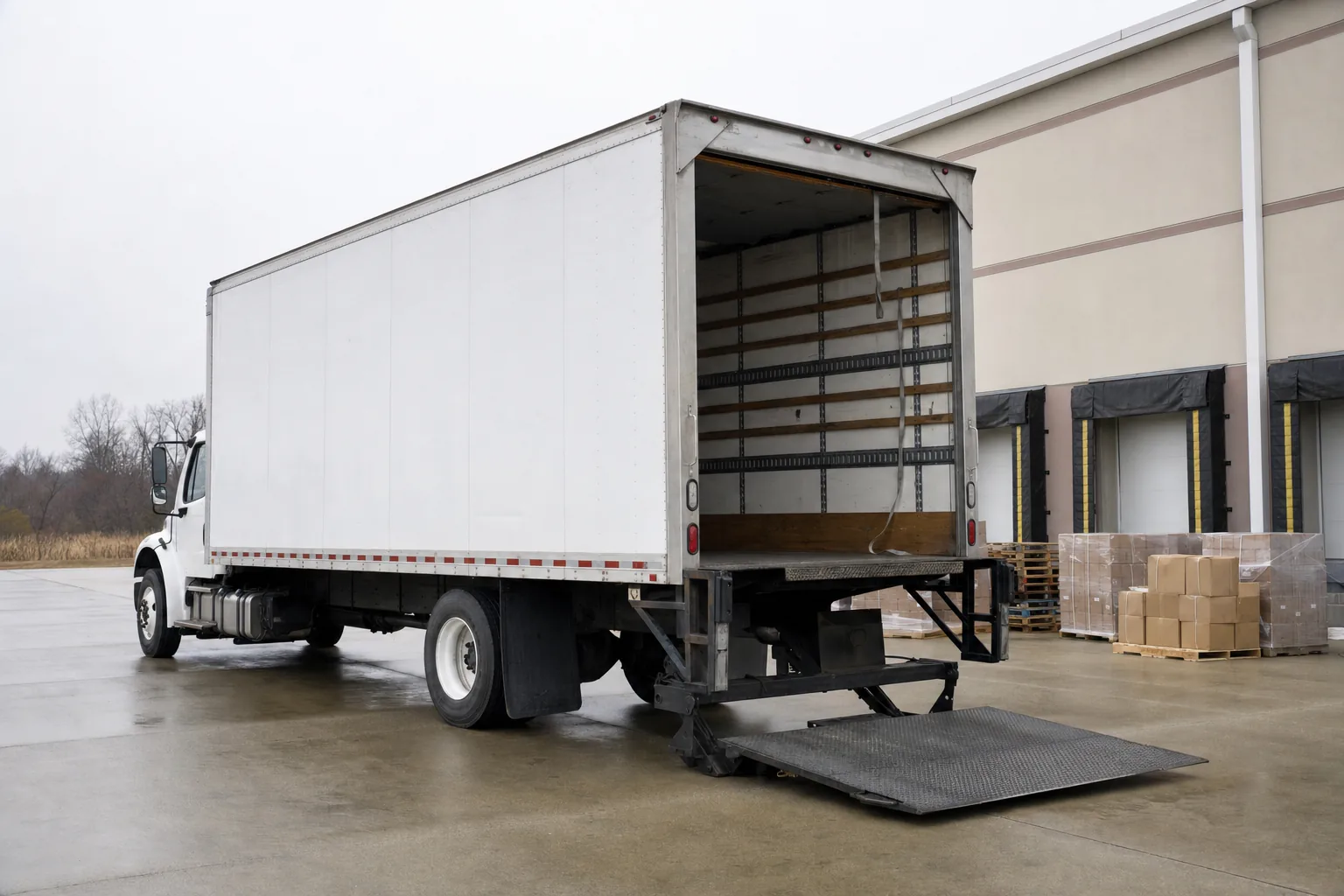
| Box truck (26 ft) | $4,500 – $6,200 | $2,400 – $3,500 | $1.95 – $2.20 |
| Semi (OTR) | $6,000 – $8,800 | $3,200 – $5,000 | $2.20 – $3.20 |
Annualized, that puts a steady cargo van operator at $52,000-$93,000 net, a box truck operator at $125,000-$182,000 net, and a semi owner-operator at $165,000-$260,000 net. The top of each range is not luck. It’s lane consistency plus a tight cost structure.
Where the gross-to-net gap comes from
Gross numbers sell trucks. Net numbers feed families. The gap is rarely a surprise on any single line item; it’s the stack that hurts. Fuel is roughly 30-35 percent of revenue at current diesel prices. Truck payment, insurance, permits, and tolls take another 20-25 percent. Maintenance reserves should run 8-10 percent if the operator is honest about replacement costs, though most operators carry less and pay for it on the back end. That leaves 30-40 percent of gross before income tax.
Operators who clear the top of the range track every cost line monthly, not annually. They know their true cost per mile within a few cents and won’t take a load that doesn’t beat it. Most operators miscalculate this number by 15-20 percent because they leave out depreciation, downtime, and personal health insurance.
What “net” really means after taxes
One caution on the net column above: it is net after operating expenses, not take-home after taxes. An owner-operator is self-employed, which means the full 15.3 percent self-employment tax for Social Security and Medicare comes out of that net, on top of federal and state income tax. A box truck operator clearing $150,000 net after expenses is not banking $150,000. Between self-employment tax and income tax, a real slice of that figure goes before it reaches the bank account, so take-home sits well below the net-after-expenses line. How far below depends on filing status, deductions, and whether the truck is owned outright or financed, so treat the table as pre-tax net rather than a paycheck. The operators who get surprised in April are the ones who read the net column as take-home.


What’s moving rates in 2026
- Regional and short-haul freight is paying better than long OTR for the first time in three years. Drivers are choosing home time and reload density over headline rates per mile.
- Expedited freight remains the highest-margin segment for operators who can stay available. Spot load boards continue to underpay by 15-25 percent versus direct broker relationships on the same lane.
- Insurance is up another 9-12 percent year-over-year for owner-operators with under five years of authority. Compliance costs (drug testing, IRP, IFTA, 2290) compound this.
- The carriers running profitably are the ones who treat dispatch and lane planning as infrastructure, not overhead. Structured dispatch typically lifts net by more than its percentage cost when the alternative is reactive load-board hunting.
How operators move from middle to top of the range
- Pick two or three primary lanes and run them consistently. Brokers price the truck they remember, not the one they meet weekly.
- Book the reload before the current load delivers. The 8-12 hours saved per turnaround compounds to 200+ paid miles a week.
- Keep a real maintenance reserve. The operators who get caught are the ones who treated maintenance as an emergency expense, not a monthly accrual.
- Review the P&L monthly. Cost lines drift; rates drift faster. Operators who only check at year-end are reacting to last year’s market.
- Choose freight partners that publish their math. Vague rate confirmations are how margin disappears between the rate and the deposit.
Why year one looks different
The ranges above describe a steady operator past the break-in period. The first year under a new authority usually sits at the bottom of each range, and sometimes below it. Insurance for operators with under five years of authority is running 9 to 12 percent higher year over year, freight access is thinner before broker relationships exist, and the learning curve on lane selection and reload timing costs real money. Most of the spread between a middle-of-the-range truck and a top-of-the-range truck is not equipment, and it is not even the rates. It is the operational habits that take a year or two to build.
The honest version
Owner-operator salary in 2026 is real money for operators who run their truck like a business. It’s a tough year for operators who run it like a job. The market rewards lane discipline, cost awareness, and reload positioning. It punishes reactive booking and undersized maintenance reserves the same way it always has, just faster now that margins are tighter.
Take-home pay depends less on headline rates and more on consistency, lane planning, and partner reliability. Operators evaluating owner-operator jobs built around vetted freight should look at miles, pay timing, and load quality before committing. Those three numbers determine whether the truck lands in the middle or the top of the range.
Owner-operator pay in 2026: common questions
How much do owner-operators make in 2026?
It depends heavily on equipment and cost discipline. Steady cargo van operators net roughly $52,000 to $93,000, box truck operators $125,000 to $182,000, and semi owner-operators $165,000 to $260,000 after operating expenses, before income tax. The top of each range comes from lane consistency and a tight cost structure, not better equipment.
Why is net so much lower than gross?
Fuel runs 30 to 35 percent of revenue, the truck payment, insurance, permits, and tolls another 20 to 25 percent, and an honest maintenance reserve 8 to 10 percent. That leaves 30 to 40 percent of gross before income tax.
Cargo van, box truck, or semi: which earns the most?
A semi grosses the most and nets the widest range, but it also carries the highest fuel, payment, and insurance load. Box trucks tend to offer the best balance of cost and pay for expedited work, while cargo vans have the lowest entry cost and the lowest ceiling. The right equipment depends on your lane access and cost discipline, not the gross alone.
Do new owner-operators earn less than experienced ones?
Usually, yes. Higher insurance under a new authority, thinner freight access, and an unbuilt lane network put first-year operators at the bottom of the ranges above. Most of the climb toward the top comes in the second and third year, as habits and broker relationships build.
How is owner-operator pay different from company driver pay?
A company driver earns a steadier but lower wage and carries no equipment risk. An owner-operator takes on fuel, maintenance, insurance, and the truck payment in exchange for a higher ceiling and more volatility. The net ranges above are what is left after an owner-operator covers costs a company driver never sees.
Ready to start earning as an owner-operator?
Box truck, cargo van, sprinter van.

Table of Content
- The 2026 freight market
- What owner-operators actually earn
- Where the gross-to-net gap comes from
- What “net” really means after taxes
- Ready to Run Loads and Earn Owner-Operator Rates?
- What’s moving rates in 2026
- How operators move from middle to top of the range
- Why year one looks different
- The honest version
- Owner-operator pay in 2026: common questions
- Ready to start earning as an owner-operator?