


Owner-Operator Guide

Why Some Owner-Operators Never Run Out of Freight (And It Isn’t Luck)
The operator who’s always loaded isn’t lucky or grinding harder. He built freight access through more than one channel before the slow week ever hit. Here’s the pattern.

The First Lane That Pays the Bills: How New Owner-Operators Stop Living Load-to-Load
Most new owner-operators live load-to-load in months one through three. Here’s how one base lane that covers fixed costs first gets a truck off the daily scramble.

What Consistent Freight Actually Means When You’re Running Solo
For a solo owner-operator, consistent freight isn’t a full calendar, it’s predictable weekly income. Here’s how to measure it and build a base layer that steadies cash flow.
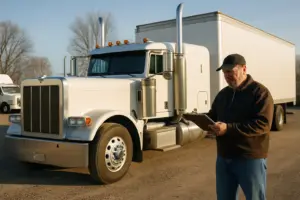
How Owner-Operators Build a Lane They Can Count On (Instead of Re-Booking Every Day)
Re-booking every day is a hidden tax on running solo. Here is how owner-operators build a freight lane that comes back on its own, instead of scrambling the board from zero.

Why You Negotiate Better When You’re Not Desperate for the Load
You don’t win rate calls with a better script. You win them by not needing the load. Here’s how freight access changes your negotiating position before you ever dial.

The Loads You Never Hear About: Where the Good Freight Lives
The load board feels like the whole freight market. It is the overflow. Here is where the good loads actually live, and why you never hear about most of them.

Going Direct With One Truck: What It Actually Costs
Cutting out the broker sounds like keeping their cut. Here is what that cut was actually paying for, and what going direct on one truck really costs.

What a Broker’s Carrier Scorecard Actually Tracks
Brokers decide who gets the call before the rate ever comes up. Here is what is actually on the carrier scorecard, and how to manage the inputs you own.

When to Stop Using Load Boards (And What to Do Instead)
Load boards create chaos, not systems. See the signals that weekly revenue has plateaued, and the structured freight path owner-operators use instead.

The Friday Calling Order: Why Brokers Skip Some Owner-Operators
Brokers do not call carriers alphabetically. They work an internal calling order, and most owner-operators have never seen the list. How the queue moves, what shifts you up or down, and what Friday actually shows.
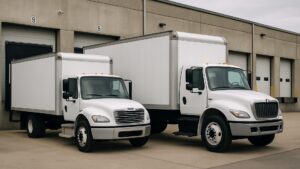
Straight Truck vs Box Truck: Earnings Comparison for Expedited Freight
The terms get used interchangeably, but in expedited freight they aren’t the same vehicle, and the difference shows up in the paycheck. The straight truck pays more per mile and has higher operating costs. The box truck has more access and a lower ceiling. Which one nets more depends on what the operator is actually […]

Scaling From Single Owner-Operator to a 3-Truck Box Truck Fleet
Adding a second truck looks like the obvious next move. Adding a third often looks like the difference between a job and a business. The math says otherwise. Most three-truck fleets net less per truck than the single owner-operator they grew from, and a meaningful share of them shrink back within 18 months once the […]

Why Owner-Operators Leave Load Boards After 6 – 12 Months (And What They Do Instead)
Many owner-operators reduce load board dependency after 6-2 months. Learn how consistent freight improves stability and weekly revenue.

Sprinter Van vs Cargo Van: Which Pays More in 2026
On paper, sprinter van pays more per mile. In practice, the cargo van often nets more per week. The rate isn’t the answer. The cost structure is, and the lane access is, and the freight type is. Comparing them on rate alone is the mistake most newer operators make when they’re picking the next vehicle. […]

Cargo Van Expediting: Complete 2026 Starter Guide (Non-CDL Path)
Cargo van expediting is one of the only freight businesses someone can start without a CDL. That low entry barrier is also the reason competition stays high and the per-mile rates stay tight. The honest version of starting in 2026: real numbers, real equipment costs, and the truth about what cargo van actually pays before […]

Weekly Planning System: How to Cut Deadhead Miles by 40%
An owner-operator running 2,500 miles a week with 18 percent deadhead is parked while paid miles wait somewhere else. Cut that to 8 percent and the same truck runs 250 more loaded miles a week. At a $2.10 average rate, that’s $525 in additional weekly revenue without driving more hours, sleeping less, or upgrading equipment. […]