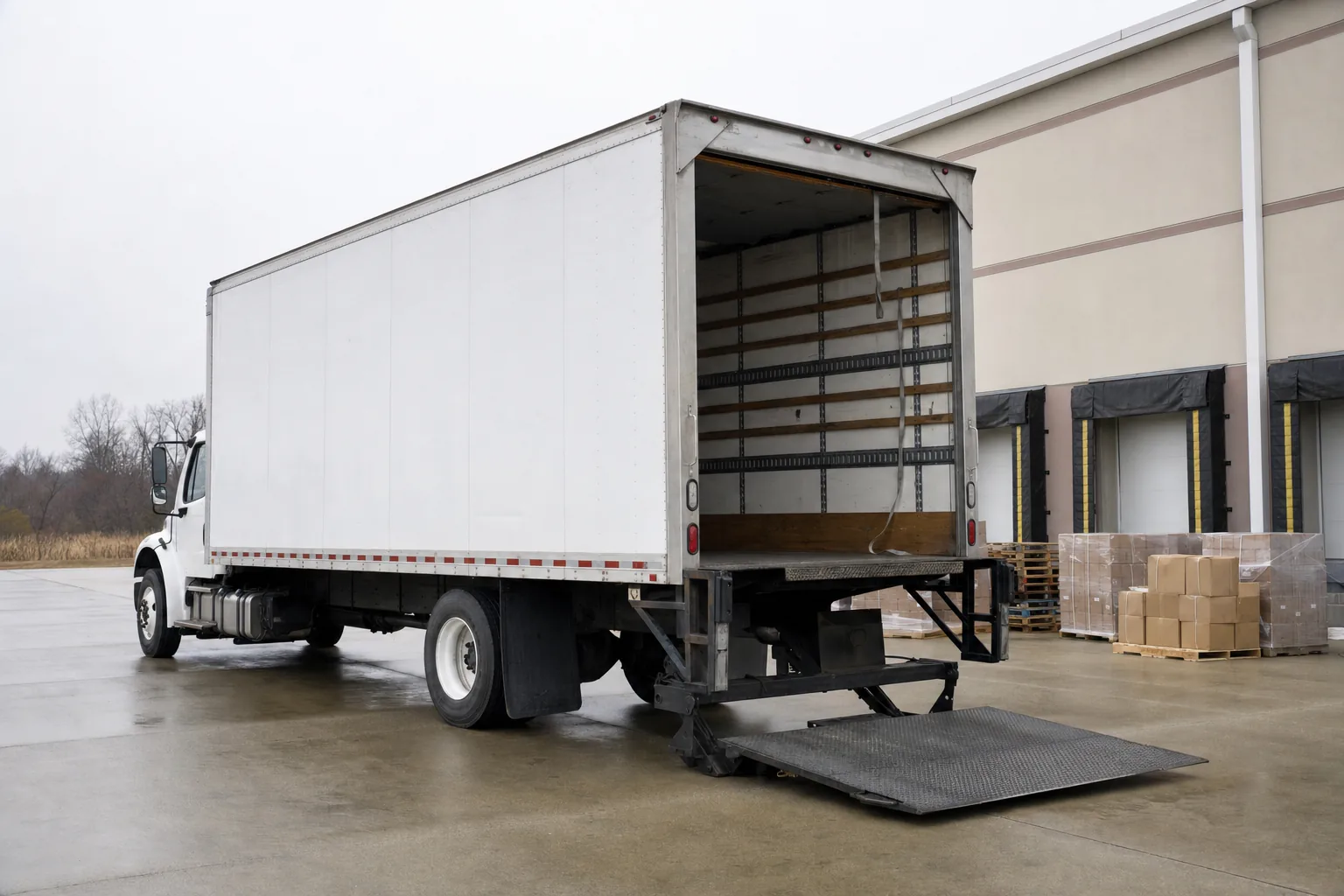



Freight crime is no longer a background risk in trucking – it’s a front-line business threat.
According to cargo theft intelligence firm CargoNet, 2024 marked the highest level of cargo theft activity ever recorded, with 3,625 reported cargo theft incidents across the U.S. and Canada, a 27% increase compared to 2023. The average loss per theft climbed to over $200,000, highlighting how costly even a single incident can be.
While cargo theft is the most visible form of freight crime, it exists alongside a quieter but equally damaging category: broker fraud, double-brokering, and payment diversion schemes. These losses are harder to track, often underreported, and disproportionately absorbed by independent owner-operators.
For an owner-operator, the impact is immediate. One fraudulent load can mean $1,500–$3,000 in unrecovered fuel, tolls, and operating costs, followed by weeks spent chasing payment that never comes. In a business where margins are thin and cash flow keeps trucks moving, one bad freight partner can erase an entire month of progress.
That’s why knowing how to vet freight partners is no longer optional. It’s a survival skill.
Why freight fraud hits owner-operators hardest
Fraud doesn’t target inexperience. It targets exposure.
Independent drivers operate closest to the point of risk. Unlike large fleets, owner-operators don’t have credit departments validating counterparties or legal teams pursuing disputes. When something goes wrong, the loss – financial and emotional – lands directly on the person behind the wheel.
Complaint trends reviewed by the Federal Motor Carrier Safety Administration consistently show that fraud-related payment disputes disproportionately involve small carriers and owner-operators. Not because they’re careless, but because they’re easier to pressure, rush, and disappear on.
At the same time, the Transportation Intermediaries Association has repeatedly warned that broker impersonation and double-brokering schemes have accelerated since 2020, driven by publicly available MC data and increased reliance on open load boards.
Red flag #1: broker details that technically check out – but don’t line up
One of the most common modern freight scams involves identity spoofing. A fraudster uses the MC number of a real brokerage, then substitutes their own phone number or email address. To the carrier, the authority appears valid – but the contact point is not.
FMCSA complaint reviews show that recent or frequent changes to broker contact information appear repeatedly in fraud investigations. A recent update doesn’t automatically mean wrongdoing, but when the phone number or email domain you’re given doesn’t match FMCSA records or the broker’s official website, the risk profile changes immediately.
Operational micro-proof: In most verified broker impersonation cases reviewed by enforcement agencies and industry groups, the MC number itself was legitimate – the contact details were not. The fraud succeeded not because carriers failed to check authority, but because they trusted the wrong point of contact.
Fraud relies on drivers rolling before those inconsistencies are noticed.
Red flag #2: payment terms that stay vague or shift after pickup
Payment disputes are one of the most common outcomes of broker fraud. Industry feedback summarized by TIA shows that delayed or denied payment appears in the majority of broker-fraud complaints, even when the freight itself was real.
This usually begins with vague language: “standard terms,” “net pay,” or “quick pay available.” The issue isn’t the phrasing – it’s the lack of specificity. In many documented cases, payment timelines change after delivery, or new fees appear once the carrier has no leverage.
For an owner-operator running at an average operating cost of roughly $2.20–$2.30 per mile, based on American Transportation Research Institute cost-of-operation data, a single unpaid long-haul load can erase weeks of net income.
If payment terms aren’t clearly documented before dispatch, the financial risk is already yours.
Red flag #3: hesitation to provide basic documentation
Fraud investigations consistently show the same early pattern: paperwork delays.
FMCSA complaint narratives often reference missing or delayed rate confirmations before non-payment occurs. That’s not accidental. Documentation creates traceability – something fraudulent actors try to avoid.
A legitimate freight partner has no reason to resist providing a written rate confirmation, a verifiable office phone number, or a legal business name that matches federal records. When those requests are treated as obstacles instead of standard procedure, the likelihood of freight fraud rises sharply.
Paperwork doesn’t slow freight. It limits deniability.
Red flag #4: load board freight priced just above market
Load boards remain essential tools, but they are also the primary distribution channel for double-brokering schemes. CargoNet’s 2024-2025 trend reporting shows theft and fraud activity increasingly tied to staged pickups, reposted loads, and identity manipulation – patterns that often begin with seemingly legitimate load postings.
Many documented cases follow the same path: the carrier completes the delivery, then discovers the broker they contracted with never had legal authority over the freight. At that point, payment recovery becomes legally complex – and often unsuccessful.
This is where understanding the difference between load boards and pre-vetted freight becomes critical for owner-operators trying to reduce fraud exposure.
The danger isn’t the rate. It’s not knowing who actually controls the load and who is responsible for paying you.
Red flag #5: urgency designed to bypass verification
Pressure is a feature of fraud, not a side effect.
Complaint narratives reviewed by regulators repeatedly include phrases like “this load won’t last” or “we’ll send paperwork after pickup.” The objective is simple: move the truck before verification happens.
Legitimate freight partners don’t fear verification. Fraud does.
Professional operations rely on process, documentation, and repeatability – not emotional pressure.
Why disciplined vetting is now a business requirement
According to ATRI cost data, one unpaid load can wipe out weeks of profit for an owner-operator. That reality changes how freight decisions must be made. The safest freight often feels boring: average rates, clean paperwork, predictable payment, no surprises.
Many owner-operators only start looking at factoring after cash flow problems caused by unpaid or disputed loads become unavoidable.
That consistency is what keeps trucking businesses alive during volatile cycles.
That’s why many owner-operators move away from open load chasing and toward freight that’s screened before it reaches drivers. Working with pre-vetted partners reduces risk and wasted effort, allowing operators to focus on running their business instead of constantly protecting it. This approach is reflected in how owner-operator jobs are structured when freight is pre-screened.
In today’s freight market, trust isn’t built on promises.
It’s built on verification, documentation, and numbers that still hold up after the load is delivered.
FAQ: Freight Fraud & Broker Vetting
How common is freight fraud for owner-operators?
Freight fraud has increased significantly since 2020. CargoNet data shows record cargo theft levels in 2024, while industry groups report rising broker impersonation and double-brokering cases that disproportionately impact owner-operators.
What is the most common broker scam today?
Broker impersonation is one of the most common scams. In many verified cases, the broker’s MC number is legitimate, but the phone number or email belongs to a fraudster posing as the real company.
Is double-brokering always illegal?
Not always, but undisclosed double-brokering is a major red flag. If a broker does not disclose that the load is being rebrokered, carriers may face payment risk or legal exposure.
How can owner-operators verify a broker before hauling a load?
At minimum, carriers should confirm that the broker’s contact details match FMCSA records, verify written payment terms before dispatch, and confirm who has legal authority over the freight.
What should I do if I suspect freight fraud?
Stop the load before pickup if possible, document all communication, and report the incident through FMCSA complaint channels. Acting early improves the chance of avoiding losses.

Table of Content
- Why freight fraud hits owner-operators hardest
- Red flag #1: broker details that technically check out – but don’t line up
- Red flag #2: payment terms that stay vague or shift after pickup
- Red flag #3: hesitation to provide basic documentation
- Red flag #4: load board freight priced just above market
- Red flag #5: urgency designed to bypass verification
- Why disciplined vetting is now a business requirement
- FAQ: Freight Fraud & Broker Vetting