

Owning your truck means owning your freedom and here’s how to do it right.
Becoming an owner-operator isn’t just about buying a truck, it’s about building your own trucking business. The process can feel overwhelming at first, but if you take it one step at a time, it’s simpler than most people think.
Here’s what you need to know to get started the right way without wasting time, money, or opportunities.
Decide What Kind of Freight You Want to Haul
Before you buy a truck or sign a contract, decide what kind of freight fits your goals. Because that choice will determine everything else – from what truck you need to how much you make*.
| Freight Type | Equipment | Average Gross/Week | Home Time |
| Expedite | Cargo van / box truck / sprinter | $2,500 – $4,500 | Home often |
| Regional | 26ft box truck / straight truck | $3,000 – $5,000 | Weekly |
| OTR (Over-the-Road) | Tractor-trailer | $4,000 – $7,000+ | Every 2-3 weeks |
Get the Right Equipment
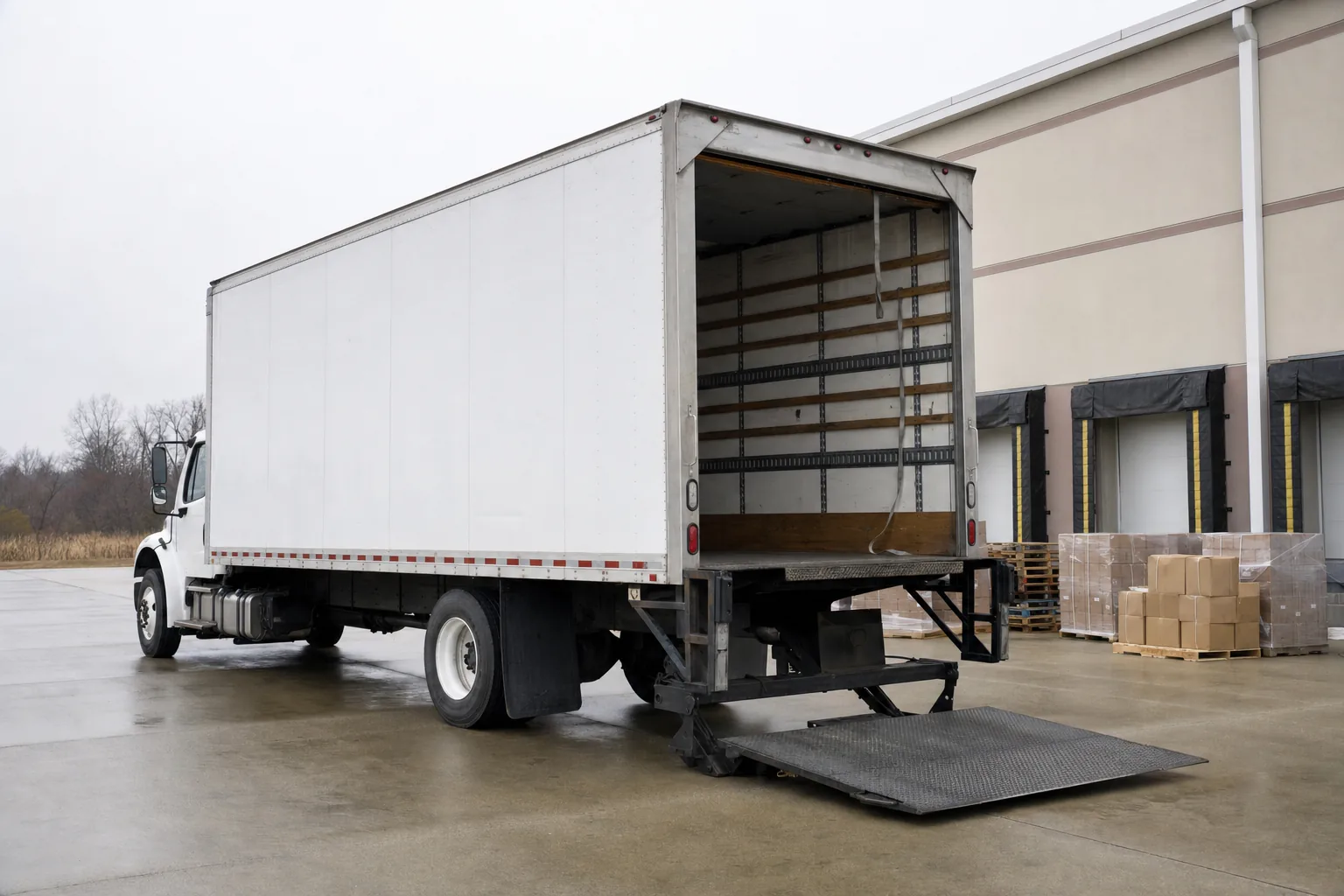
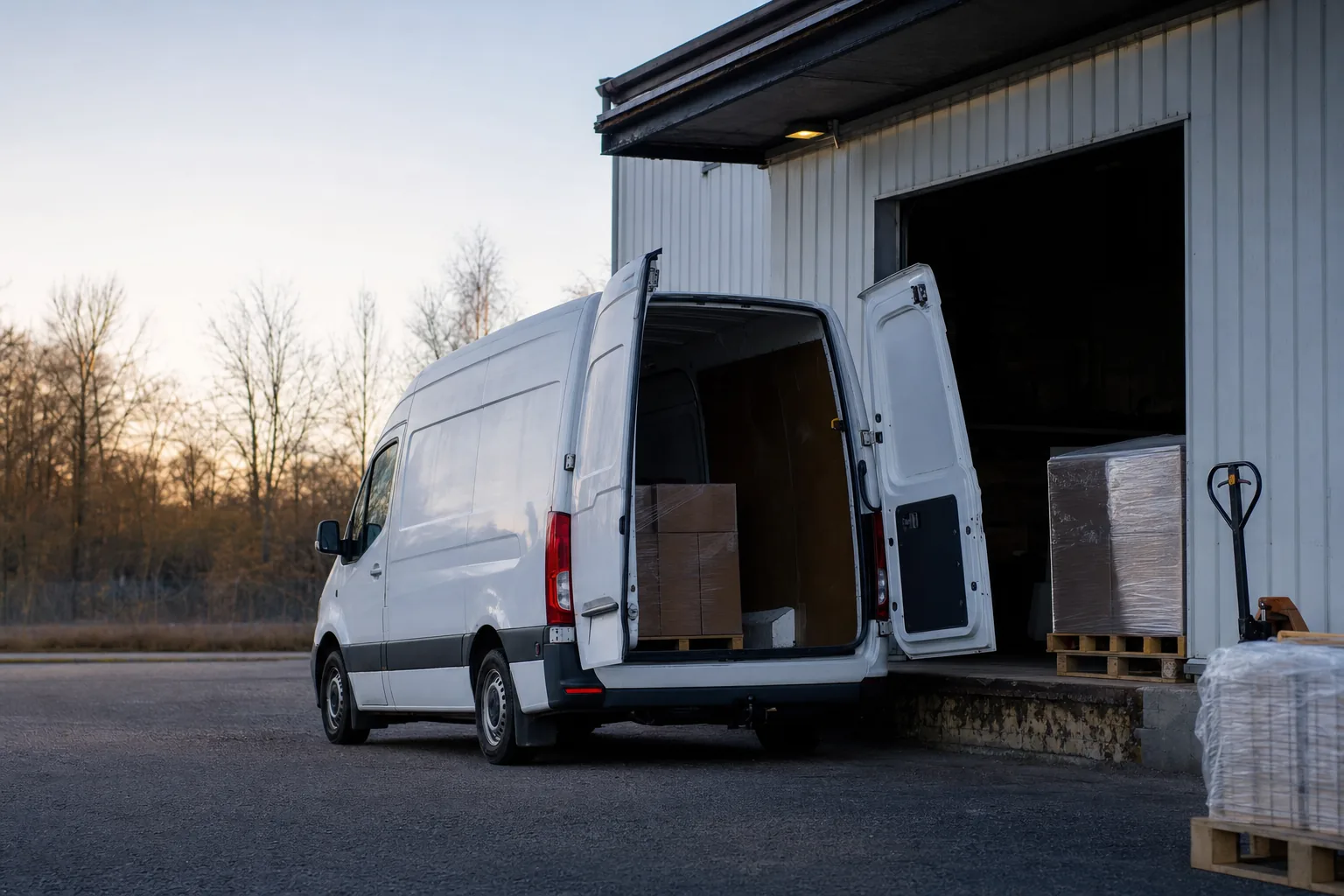
Once you know what kind of freight you’ll haul, it’s time to find your truck. For expedite owner operators, that usually means a cargo van, sprinter van, or 26ft box truck.
Keep these points in mind:
- The truck should be in good mechanical condition – no major leaks or issues.
- Always keep photos and registration ready (carriers and brokers will ask for them).
- Make sure your vehicle meets commercial requirements for your state and freight type.
You don’t need to spend top dollar on your first truck – reliability matters more than shine. Focus on something that’s fuel-efficient, easy to maintain, and ready for the road.
A dependable truck and a strong work ethic will always earn more than a new chrome bumper.
Handle the Paperwork
This part scares a lot of new owner operators but it doesn’t have to.
If you plan to work through a carrier or broker (which most new owner-operators do), you don’t need to get your own MC or DOT authority. That means no federal filings, no BOC-3, and no expensive insurance requirements.
- All you need to get started:
- Valid driver’s license (CDL or non-CDL license, depending on truck size)
- Truck registration and photos
- W9 form
- Voided check or direct deposit info
If you ever decide to run fully independent later on, that’s when you’ll apply for your own MC/DOT and get your own insurance – but for now, this setup keeps things simple.
Set Up Your Finances Like a Business
You’re not just a driver anymore – you’re a trucking business owner. That means it’s time to think like one.
Open a separate business bank account to keep your earnings and expenses organized. Track every fuel receipt, maintenance bill, toll, and repair – they’re all tax write-offs. Plan for quarterly taxes so you’re not scrambling at the end of the year.
Owner-operators who treat their truck like a business stay profitable longer.
Find Loads and Start Running
Once your paperwork is ready, it’s time to find freight – and this is where ExpeditedJobs comes in.
Instead of spending hours calling brokers or waiting for referrals, you can use ExpeditedJobs to connect directly with carriers and load providers who need owner operators right now.
We connect you with the opportunities that fit you best.
Build Your Reputation
Your reputation is everything. Carriers and brokers want to work with drivers who show up, communicate, and get the job done right.
That’s how you move from one-time hauls to consistent, high-paying work. And that’s exactly what ExpeditedJobs helps you do – by keeping your track record visible to the right partners.
The better your performance, the better the offers that come your way.
Keep Growing
Once you’ve been running for a while, you’ll start thinking about what’s next. Maybe you add a second truck, partner with another driver, or even start working directly with your own clients.
Whatever your path, take it slow and steady – experience first, expansion second.
Final Thoughts
Becoming an owner-operator is one of the smartest moves you can make in trucking business – and now it’s easier than ever to get started.
Getting set up as an owner-operator is only half the journey – the next step is finding work that actually fits your equipment, lanes, and experience level. Many new owner-operators choose to start with owner-operator jobs built around vetted freight partners, where expectations are clearer and early mistakes are easier to avoid while the business is still stabilizing.
Frequently Asked Questions
Should I lease on with a carrier or get my own authority right away?
Most new owner-operators start out leasing on with a carrier or broker instead of pulling their own authority, and that’s usually the smarter move early on. Leasing on means someone else handles the compliance side while you focus on driving and learning how the freight actually moves. Your own MC and DOT authority gives you more control over rates and who you work with, but it also puts the insurance, the filings, and the compliance on your shoulders from day one. A lot of drivers wait until they’ve got a season or two of steady running behind them before they make that jump, and that’s not a bad instinct to follow.
How much money should I expect to need before I start?
There’s no single number that works for everyone because it depends heavily on the truck you’re running and how you’re financing it. Beyond the truck itself, plan for fuel, insurance, maintenance, and enough of a cash reserve to cover a slow week or an unexpected repair without panicking. New owner-operators who skip the reserve fund are the ones who get stuck when a tire blows or a load falls through. Build a buffer into your plan before your first mile, not after.
What should I have lined up before I take my first load?
Before you accept anything, make sure your paperwork is complete, your truck has passed a real inspection, and you know how you’ll get paid and how quickly. Line up a plan for fuel stops and routine maintenance so you’re not figuring that out mid run. It also helps to know your own numbers going in, what it actually costs you to run a mile, so you can tell a good load from one that only looks good on paper.
What mistakes trip up new owner-operators the most?
The biggest one is treating the truck like a paycheck instead of a business. Drivers who don’t track their expenses closely often think they’re doing fine until tax season shows them otherwise. Another common mistake is chasing every load that comes across the board without checking if it actually pays for the miles, the fuel, and the time. And plenty of new operators skip routine maintenance to save money short term, which almost always costs more once something breaks down out on the road.
How long does it take to feel steady in this business?
Give yourself real time to learn the rhythm of the freight you’re hauling before you judge how it’s going. The first few months are usually about learning your lanes, your customers, and your own limits, not about hitting big numbers right away. Once you’ve got a season of consistent running behind you, you’ll have a much clearer sense of what works for your truck and your schedule, and that’s when things start to feel less like guesswork and more like a business you actually run.
Do I need a dispatcher, or can I find freight on my own?
Plenty of owner-operators run without a dispatcher, especially once they’ve built relationships with a few reliable carriers or brokers. Others prefer having someone else handle the phone calls and negotiating so they can focus on driving. Neither path is wrong, it comes down to how much of the business side you want to manage yourself versus hand off. Try both approaches early on and stick with whichever one keeps your truck moving and your stress level manageable.