

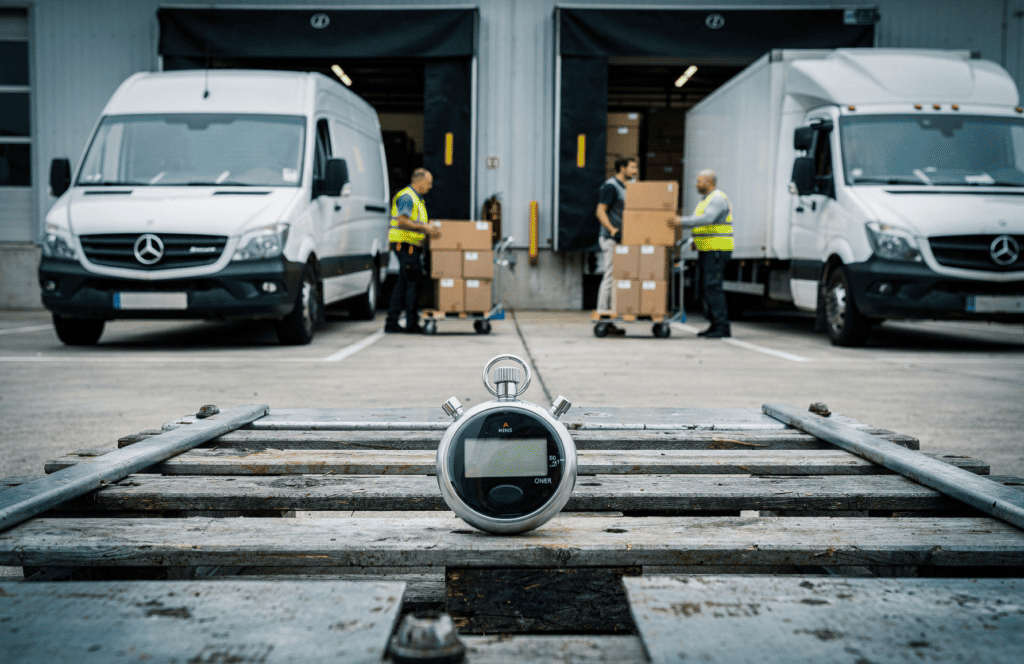
A Quick Guide for New Drivers
Expedited freight is used when a shipment is too important to delay, and that’s where your role as a driver really matters. Companies rely on expedited trucking when a late delivery could cause downtime, missed deadlines, lost revenue, empty shelves, or even safety issues.
If you’re new to trucking or thinking about switching into expedited freight jobs, this guide covers everything you need to know: how expedited freight works, what vehicles are used, how much you can earn, and how to get started as an expedited driver.
What “Expedited” Actually Means
When a company sends out an expedited shipment, it means they don’t have time to waste, and they’re depending on you to keep that freight moving. These loads aren’t meant to sit around or pass through multiple hands. They’re meant to go straight from pickup to delivery.

So, here’s what that looks like in your day-to-day: expedited freight doesn’t go through terminals, so the load stays with you from the moment you pick it up until the moment you deliver it. There’s no switching trucks or handing the freight off to another driver – you’re responsible for the entire run.
Most shipments are no-touch and ready to move, which means you’re not sitting around waiting for dock times or long load cycles. Once you’re dispatched, you pick up the freight, roll straight through, and deliver it without stops or delays.
What Types of Vehicles Are Used?
Expedited freight relies on smaller, faster, more flexible vehicles. These trucks and vans move quickly, can access tight locations, and are easier to dispatch on short notice. The goal is simple: get the shipment picked up fast and delivered without delays.
If you’re considering expedited work, here’s what each vehicle type brings to the job and what kinds of loads you can expect.
Vehicle Type | Typical Capacity | Best For | Example Loads |
| Cargo Van | ~1,500–2,000 lbs | Short & regional runs | Auto parts, small parcels |
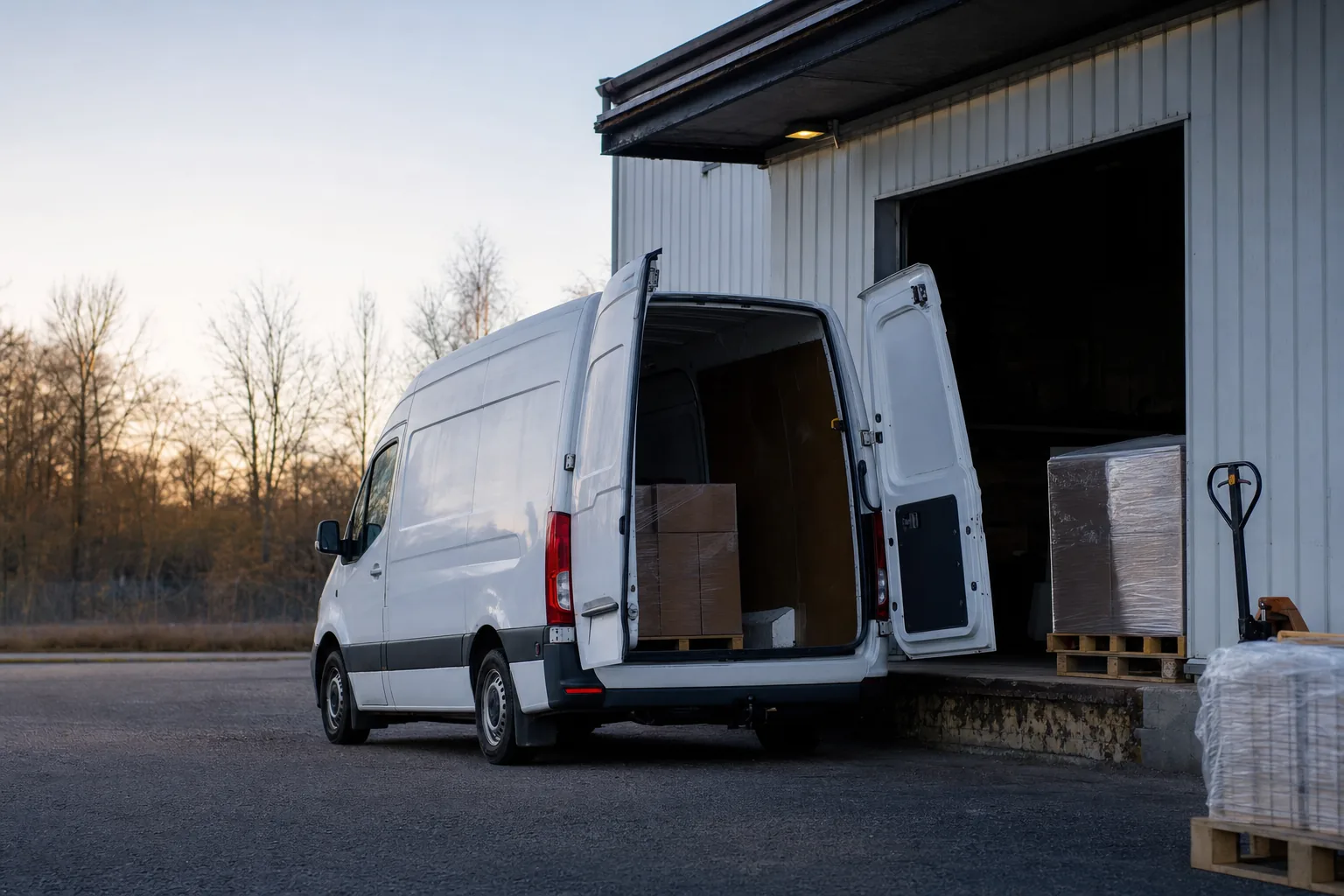
| Sprinter Van | ~3,500 lbs | Long routes & OTR | Auto parts, small parcels |
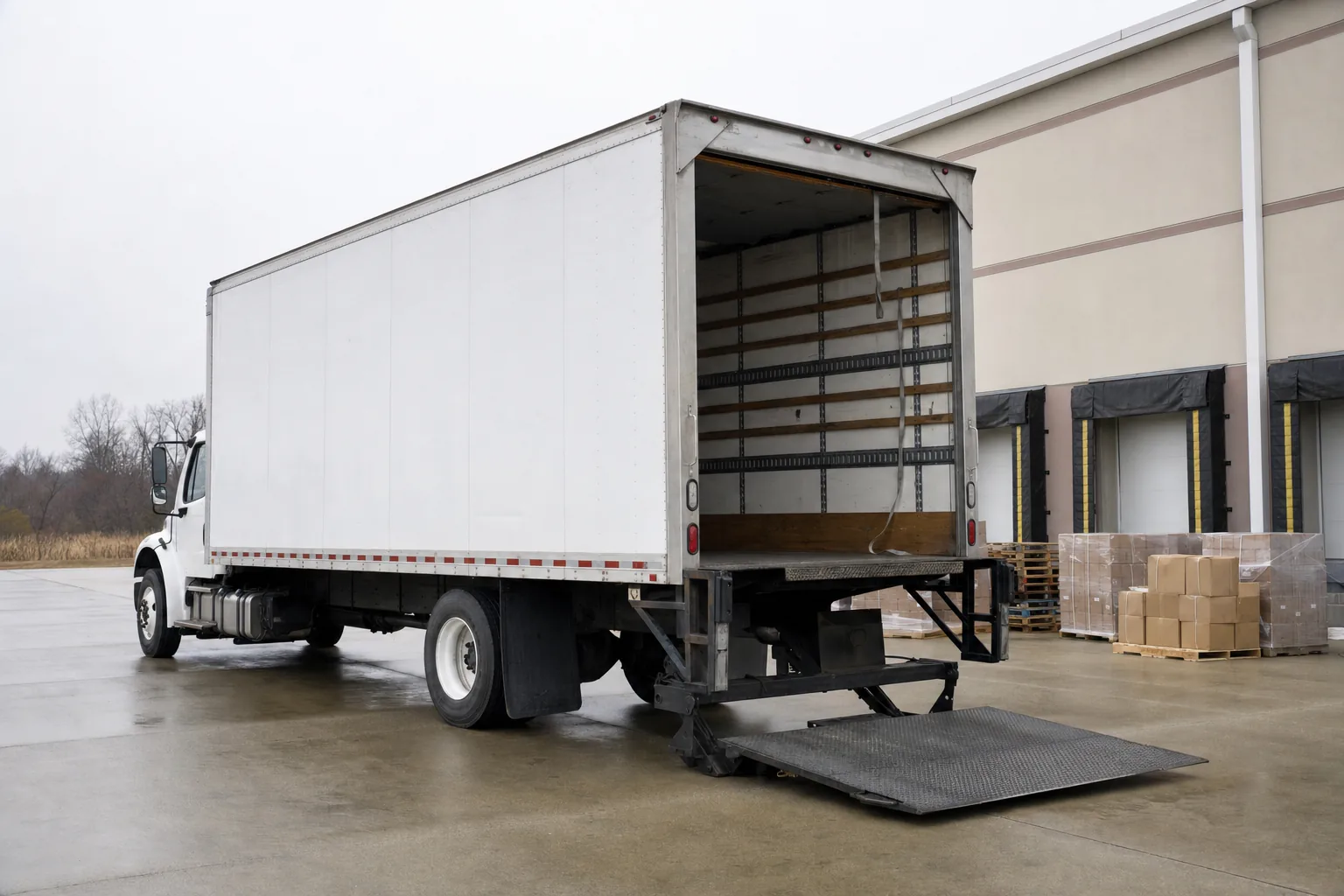
| Straight Truck | 8,000–12,000 lbs | Larger freight, cross-country | Pallets, machinery |
| Box Truck | Up to 12,000 lbs | Regional routes | Retail, just-in-time inventory |
Who Uses Expedited Freight?
Many major industries rely on expedited trucking to keep their operations running. Here’s who depends on expedited drivers – and why.
Automotive Manufacturing
Auto plants run on strict schedules, and missing a single part can shut down production. Expedited drivers deliver last-minute components to keep assembly lines moving.
Medical & Pharmaceutical
Hospitals, clinics, and labs depend on fast delivery of medical equipment, medication, and lab samples. These shipments can’t wait – your timely delivery supports patient care.
Aerospace & Defense
This sector moves precision parts and high-value components that must arrive on schedule. Expedited drivers ensure fast, secure delivery without transfers.
E-Commerce & Retail
Inventory moves fast. When stores or warehouses run low, expedited freight fills urgent restock needs – helping keep shelves full and orders moving.
Technology & Electronics
Tech companies ship delicate, expensive equipment that can’t sit in transit. Your quick, careful delivery keeps systems and production lines running.
How Much Do Expedited Drivers Make?
Expedited freight usually pays more per mile than standard trucking because the shipments move on tight deadlines and require immediate pickup, no delays, and straight-through delivery. Shippers are willing to pay a premium for drivers who can move fast and reliably.
Your earnings in expedited freight can vary widely. What you make depends on the routes you run, how far you’re willing to go, and how urgent the load is. The type of freight you haul and the vehicle you drive (whether it’s a cargo van, sprinter, straight truck, or box truck) also play a big role. Your availability, flexibility, and the region you operate in all affect your pay as well.
Some lanes pay more because they’re harder to cover, while others pay less because they’re common or less time-critical. As with any part of trucking, what you take home depends on the freight you run and where you’re willing to go.
General Expectations by Vehicle Type
Here’s what most drivers report across the industry:
- Cargo vans tend to earn less per mile than larger vehicles but make it up with fast load cycles and minimal downtime.
- Sprinter vans often see some of the strongest demand in expedited freight, especially for longer routes.
- Straight trucks typically bring the highest-paying freight because they carry larger, heavier loads.
- Box trucks offer steady regional work and competitive miles without the overhead of a full tractor-trailer.
Compared to regular freight, expedited drivers usually experience less waiting, quicker payouts, and more consistent movement, especially when running OTR or staying flexible.
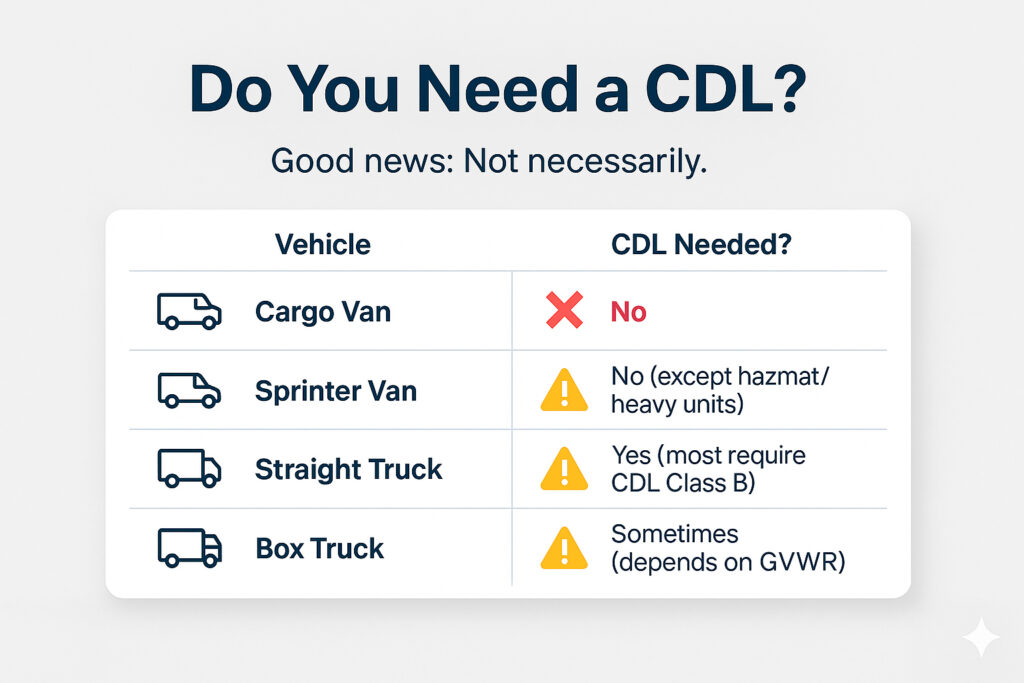
Do You Need a CDL?
If you’re thinking about getting into expedited freight, here’s a quick look at which vehicles require a CDL and which ones you can drive without one.
ExpeditedJobs offers CDLand non-CDL trucking jobs, so beginners can start earning immediately.
OTR or Local: What Routes Are Available?
Expedited trucking gives you the freedom to choose the lifestyle you want.
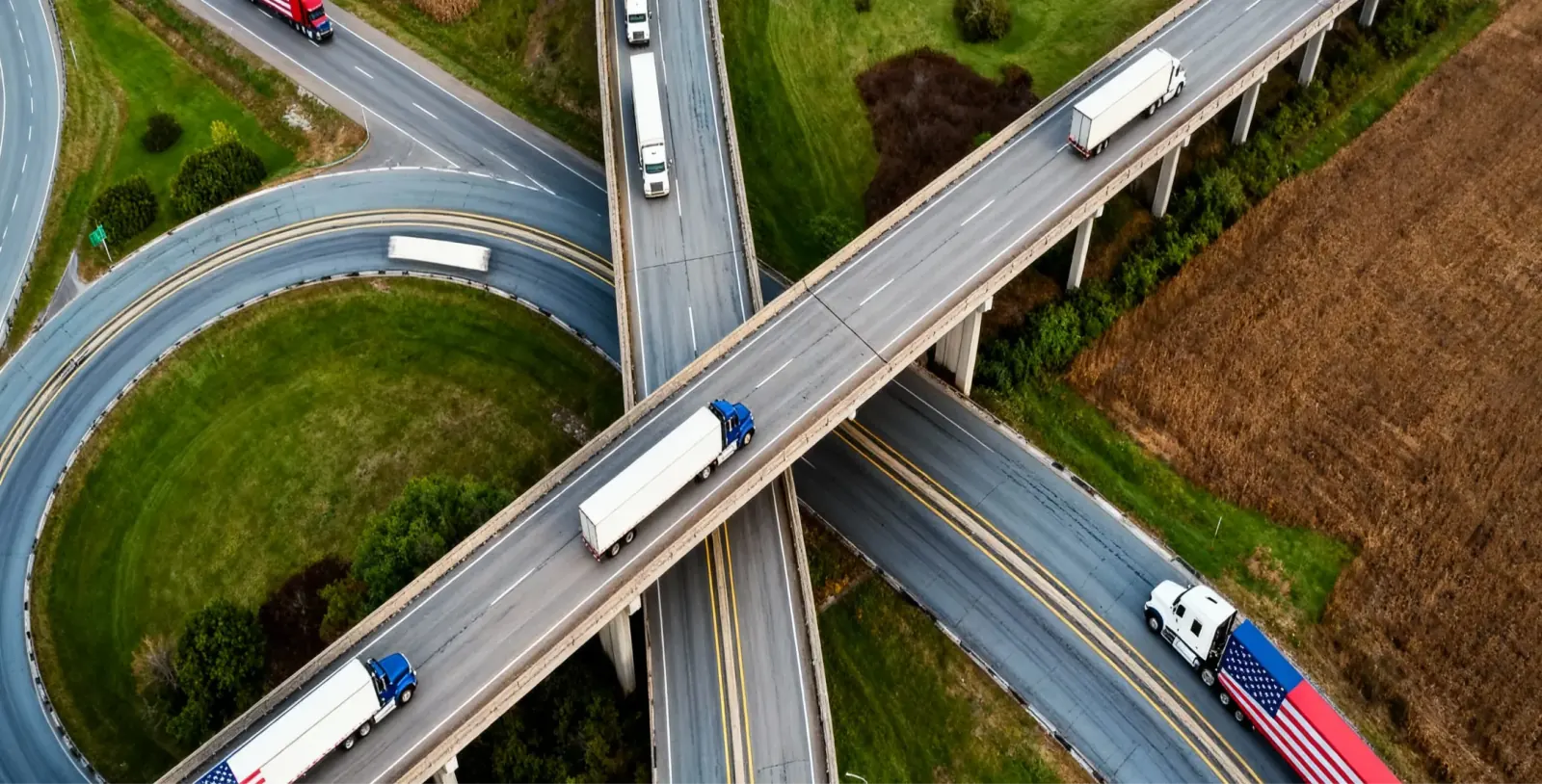
If you prefer long miles, OTR loads are available nationwide. If you want to stay close to home, local and regional routes are common, especially for sprinter vans and box trucks.
Many drivers get home daily or every few days. No matter where you live, there’s expedited work for both OTR and local drivers.
Why Drivers Choose Expedited Freight
Drivers pick expedited trucking because the work is simple, the onboarding is fast, and there’s consistent demand. You choose the loads, you’re not forced into runs you don’t want, and paperwork is minimal. Most shipments are no-touch, and load docs are digital.
Plus, when you run with ExpeditedJobs, you’re backed by a team that picks up the phone and keeps you moving.
How to Start
Expedited freight works best when speed doesn’t come at the cost of control. For many drivers, the real advantage isn’t just faster loads – it’s running freight that’s structured, predictable, and screened before it reaches the truck.
That’s why some owner-operators look toward expedited owner-operator jobs built around vetted freight partners, where urgency is balanced with reliability.