
Find Freight You Can Count On
Find consistent freight, fair pay, and routes that fit your lifestyle. Whether you run one truck or manage a fleet, we'll connect you with reliable loads and trusted partners who help you stay on the road and keep earning.
- 100%of earnings go to you
- 93%loads come directly from customers
- $15M+paid to drivers
- 38k+monthly loads count


Cargo Van Owner Operator Jobs in Alabama
Own a cargo van in Alabama and ready to run OTR? See if your setup fits.
We connect owner-operators with long-haul freight opportunities based on location, equipment, and availability, under our authority or your own MC, with dispatch support.
Why Cargo Van Owner-Operators Choose ExpeditedJobs
ExpeditedJobs is built for owner-operators who want to run OTR rather than local delivery or courier work.
Longer-Distance Freight
Our cargo van program focuses on OTR opportunities, with runs typically starting around the 400-mile range.
Know the Load Before You Accept
See the mileage, delivery requirements, and agreed pay before accepting an available load.
No Fixed or Dedicated Lanes
Freight changes with customer demand. Available loads are matched based on your location, equipment, availability, and current opportunities.
Run Under Our Authority
Qualified owner-operators can lease on and operate under ExpeditedJobs’ authority. If you already have active authority, you may also qualify through our Carrier Partner program.
Dispatch Support
Get support coordinating available loads and deliveries while you’re on the road.
Do You Qualify for Alabama Cargo Van OTR Work?
These opportunities are for Alabama-based cargo van owner-operators who are ready to run longer-distance OTR freight.
Location
Based in Alabama and available for interstate OTR freight.
OTR Availability
Ready for longer-distance runs, typically around 400+ miles, including multi-day travel when required.
License & Documents
Valid driver’s license, active vehicle registration, required medical documentation where applicable, and qualifying driving record.
Authority
Run under ExpeditedJobs’ authority or bring your own active DOT/MC authority and required coverage.
Vehicle
Commercial high-roof or extended cargo van. 2015 or newer preferred.
Cargo Capacity
Minimum 120-inch cargo length and 1,500-lb payload capacity, with appropriate cargo securement.
How ExpeditedJobs Works for Alabama Cargo Van Owner-Operators
We keep the process simple so you can spend less time applying and more time on the road.
Apply
Tell us where you’re based, what cargo van you operate, and your OTR availability.
Get Verified
Submit the required driver and vehicle documents for review.
Start Receiving Opportunities
Once approved, you can receive available OTR load opportunities that match your location, equipment, and availability.
You decide which available loads work for you.
Alabama Cargo Van OTR Opportunities: Quick Facts
| Who It's For | Alabama-based cargo van owner-operators |
|---|---|
| Operating Model | OTR / long-haul expedited freight |
| Typical Run Distance | Around 400+ miles |
| Dedicated Lanes | No. Loads are opportunity-based |
| Driver Location | Alabama-based |
| Equipment | Commercial cargo vans |
| Own MC Required? | No. Qualified owner-operators can run under our authority |
| CDL Required? | Generally no for qualifying cargo van setups |
| Pay Schedule | Weekly |
| Dispatch Support | Yes |
Consistent opportunities for 400+ mile runs.
Choose loads that fit your schedule and goals.
No forced dispatch, run under our authority.
Why Alabama Works for OTR Cargo Van Owner-Operators
Alabama sits under one of the densest clusters of assembly plants in the country, and those plants do not wait.
I-65 runs the length of the state from Mobile through Montgomery and Birmingham toward Nashville, I-20 and I-59 meet at Birmingham with Atlanta a couple of hours east, I-85 drops southwest from Atlanta to Montgomery, and I-10 crosses the Gulf Coast. From an Alabama base, the Southeast is close and the rest of the country is one long leg.
Birmingham
The crossroads of I-20, I-59 and I-65, with steel, industrial and medical employers around it. Anything that has to reach the rest of the Southeast quickly goes through here, and Atlanta is close enough to be an afternoon rather than a trip.
Huntsville
Aerospace, defense and research work in the north of the state, alongside vehicle assembly and a cargo-heavy airport. Freight here is small, valuable, often documentation-sensitive, and rarely flexible about the delivery date.
Montgomery
Vehicle assembly on I-65 with I-85 running northeast toward Atlanta. Assembly work generates the most unforgiving freight there is: a component the line is already waiting for.
Mobile
A deepwater port, shipbuilding and aircraft assembly where I-10 meets I-65. Port-adjacent shipments and plant parts both produce short-notice freight, and the Gulf Coast east–west route runs straight through it.
Tuscaloosa
Vehicle assembly on I-20/59 west of Birmingham, with its supplier network spread across the surrounding counties. When a supplier misses, the gap is measured in hours of production rather than days of inventory.
Auburn–Opelika
An automotive supplier cluster on I-85 between Montgomery and the Georgia line. It feeds assembly plants on both sides of the state border, which is where a lot of its urgent freight ends up going.
Good to know: ExpeditedJobs does not operate fixed or dedicated Alabama lanes. Available freight depends on current customer demand, pickup location, equipment requirements, timing, and driver availability.
What Kind of Freight Moves by Van in Alabama
Examples of freight commonly suited to expedited van transport in Alabama include the categories below, all light, urgent, and expensive to be late with. These are examples from the Alabama freight market, not a description of loads available through ExpeditedJobs.

Just-in-time automotive parts
Components for the assembly plants around Tuscaloosa, Montgomery, Huntsville and their supplier networks. Plants running just-in-time hold hours of inventory, not weeks, so a missing part is a line-down call rather than a scheduling problem.
Aerospace and defense
Instruments, components and program materials moving around Huntsville and the aircraft work on the Gulf Coast. Small, high-value, frequently paperwork-sensitive, and tied to dates set well above the freight desk.
Port recovery out of Mobile
Shipments that miss a connection at the port, arrive short, or turn out to be needed inland the same day. The volume moves by trailer; the exceptions move in a van.
Steel and industrial parts
Replacement components and machinery parts around Birmingham and the industrial belt, where idle equipment costs far more per hour than the freight bill does.
An Alabama base does not mean Alabama freight. It means you are parked where a lot of urgent freight starts. Where a run ends depends on the load you accept.
Running OTR Out of an Alabama Base: What to Plan For
Alabama is a home base, not a service area. These are the practical costs and conditions worth planning for before the first run.
In-state is short, OTR is not
The state is compact enough that Birmingham to Atlanta or Nashville is a few hours, but OTR work means leaving it. The Midwest and the Northeast are a long day or two, and that is the run length to plan around.
Line-down freight runs on someone else's clock
Assembly plants call when production has already stopped, not when it is convenient. Being genuinely available, and answering quickly, matters more here than it does in a distribution market.
Gulf humidity is harder on a van than the heat is
Summers on this side of the country run long and wet, and the wear shows up on a schedule the odometer will not predict. Brakes, cooling and tires need a budget line of their own rather than whatever is left over.
The coast closes with very little notice
When a storm sets up in the Gulf, I-10 and the approaches to Mobile empty out and shipments get re-planned the same morning. Watch the forecast with the same attention you give the load board.
Ready to Run OTR From Alabama?
If you're based in Alabama, have a qualifying cargo van, and are ready for longer-distance OTR freight, apply to see if ExpeditedJobs is a fit for your setup.
Frequently Asked Questions
Alabama cargo van OTR opportunities: what owner-operators ask most.
Are there dedicated or fixed lanes for Alabama cargo van owner-operators?
No. ExpeditedJobs does not operate fixed or dedicated lanes. Available freight changes based on customer demand, pickup location, equipment requirements, timing, and driver availability.
Do I need to be based in Alabama to apply?
For these Alabama OTR opportunities, yes. They are intended for cargo van owner-operators based in Alabama and available for longer-distance OTR freight.
What is the typical run distance for cargo van loads?
Our cargo van program focuses on longer-distance OTR freight, with runs typically starting around the 400-mile range. Exact mileage varies by available load.
Does ExpeditedJobs offer local cargo van work in Alabama?
This program is focused on OTR freight rather than local courier or city delivery work. Owner-operators applying for these Alabama opportunities should be prepared for longer-distance interstate runs.
Do I need a CDL to run a cargo van?
Most standard cargo van setups do not require a CDL. Requirements depend on vehicle weight, configuration, cargo, and applicable regulations.
Do I need my own MC number to run with ExpeditedJobs?
No. Qualified owner-operators can run under ExpeditedJobs’ authority. Owner-operators who already have their own active authority may also qualify through the Carrier Partner program.
How does dispatch work if there are no dedicated lanes?
Available loads are matched based on current freight demand, your location, equipment, and availability. You receive the details of an available opportunity before deciding whether it works for you.
How often do cargo van owner-operators get paid?
Settlements are processed weekly for completed loads.
Does ExpeditedJobs guarantee a certain number of loads or weekly income?
No. Load availability and earnings vary based on customer demand, location, equipment, timing, and driver availability. ExpeditedJobs does not guarantee a fixed number of loads, dedicated lanes, or specific weekly earnings.
I'm based in Birmingham. Will I only be running Alabama loads?
No. Available freight follows customer demand rather than a map, so an Alabama base is where a run starts, not where it has to end. Being based in the state means you are positioned next to a dense cluster of assembly plants and a Gulf port, not that your loads stay inside it.
Which Alabama cities do these cargo van opportunities usually start from?
Most Alabama freight activity follows I-65 from Mobile through Montgomery and Birmingham to Huntsville, with I-20/59 crossing at Birmingham and I-85 running toward Atlanta. Being based on or near those corridors puts you closer to available freight, but ExpeditedJobs does not operate fixed or dedicated lanes from any of these cities.
Does automotive freight mean I have to be available at short notice?
It helps. Assembly plants call when a line has already stopped, so urgent automotive freight rewards operators who answer quickly and can move the same day. Nothing obliges you to accept a load (you see the details and decide), but availability and response time count for more in this market than in a distribution one. Summer wear on the van and Gulf storm season are the two other ordinary costs of basing here.
Helpful Insights

Cargo Van Expediting: Complete 2026 Starter Guide (Non-CDL Path)
Cargo van expediting is one of the only freight businesses someone can start without a CDL. That low entry barrier is also the reason competition stays high and the per-mile rates stay tight. The honest version of starting in 2026: real numbers, real equipment costs, and the truth about what cargo van actually pays before […]
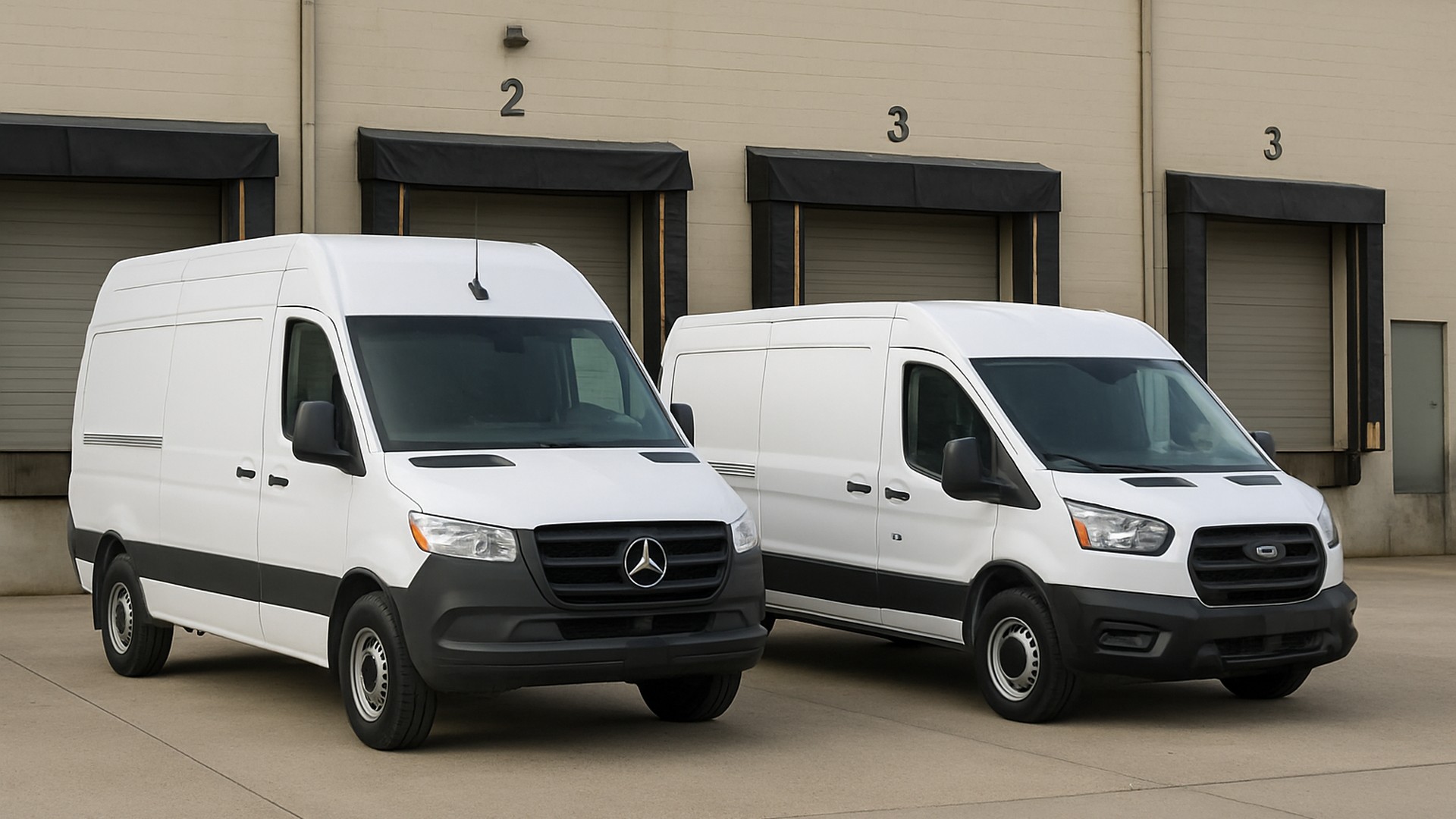
Sprinter Van vs Cargo Van: Which Pays More in 2026
On paper, sprinter van pays more per mile. In practice, the cargo van often nets more per week. The rate isn’t the answer. The cost structure is, and the lane access is, and the freight type is. Comparing them on rate alone is the mistake most newer operators make when they’re picking the next vehicle. […]
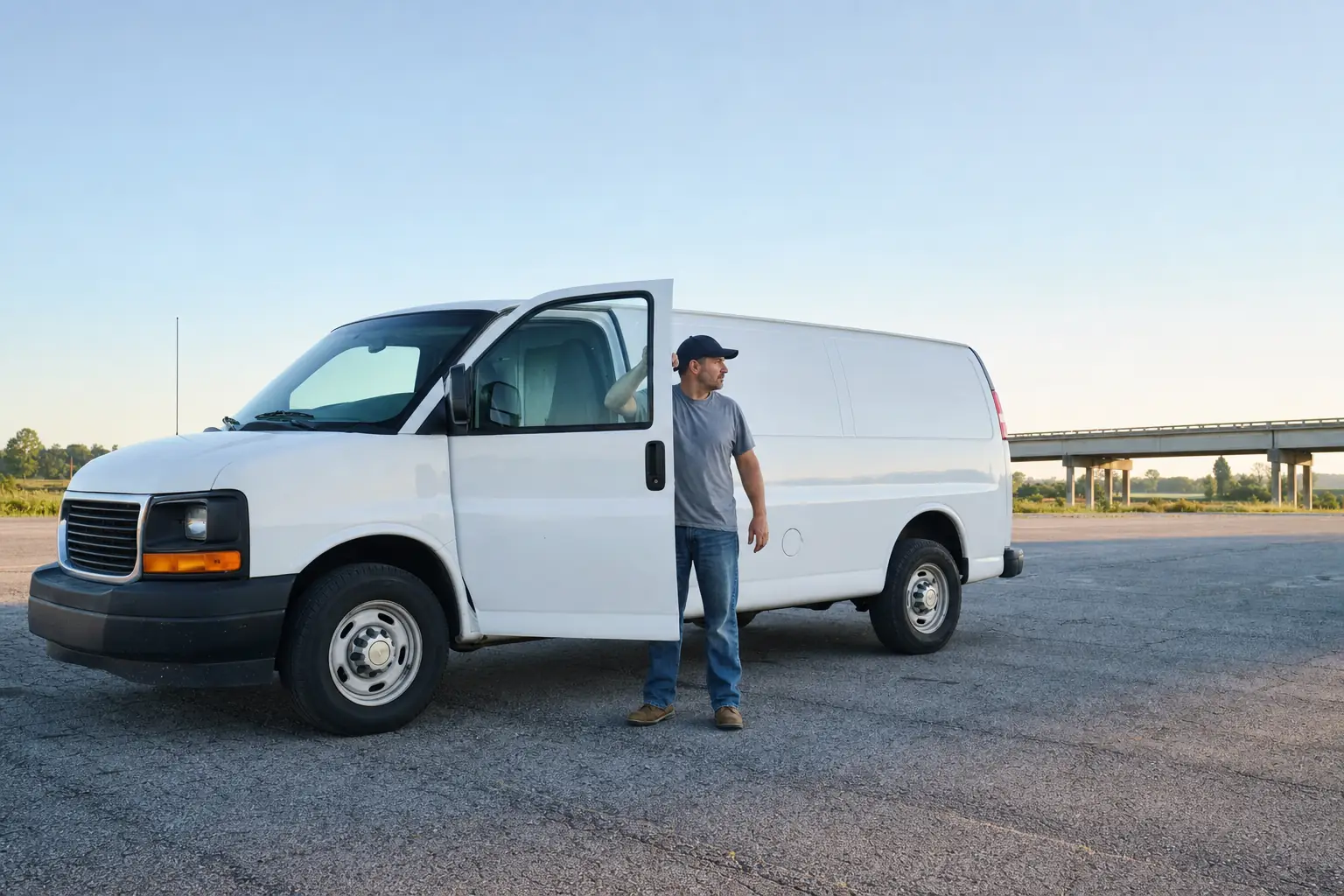
How to Start a Cargo Van Business in 2026: The Expedited Route
Short answer Start a cargo van business by picking the freight, not the paperwork. There are three different cargo van businesses (last-mile delivery, local courier work and expedited freight), with different rate-setters, ceilings and risks. Expedited freight has the highest ceiling for a single van, because urgency prices the load rather than distance. The order […]
Before we start, how can we address you?