

Short answer
Expedited trucking is freight that moves because something is late or a production line is down. The load is dedicated to one vehicle, dispatched with a few hours of notice, and driven point to point until it is delivered. Urgency prices it rather than miles or weight, which is why a cargo van can earn on it at all. No CDL is required for a van, sprinter or straight truck rated under 26,001 pounds GVWR, the lowest license barrier anywhere in freight.
What Is Expedited Trucking?
Expedited trucking is freight that moves because it is late, or about to be. A production line is down and the part is four states away. The shipper is not shopping for the cheapest way to move a skid. They are buying speed, and they pay for it.
Dedicated load
Freight that rides alone on your vehicle and moves point to point until it is delivered, instead of being consolidated with other shipments and routed for efficiency. Dedication is why a single van can compete: nobody is waiting on a trailer to fill.
The barrier to entry is unusually low. No CDL is required for a van or straight truck under 26,001 pounds gross vehicle weight rating, the threshold the FMCSA uses to divide commercial vehicles. That is why so many owner-operators start here and stay: the cargo van owner-operator lane is a career, not a stepping stone.
Expedited is not courier work, which is local and billed per stop, and not hotshot, which rides on a trailer behind a pickup. It sits between them: interstate, dedicated to your vehicle, sold on the delivery window.
What Actually Makes a Load Expedited?
It is not distance and it is not weight. It is the delivery window, and the fact that the load cannot wait for a truck to fill up. Standard freight is consolidated and routed for efficiency; expedited is dedicated to your vehicle alone.
That shows up in how you run: notice of hours rather than days, availability instead of a schedule, lighter paperwork, firm windows. The money is not a function of miles either. A short urgent run can pay better than a long routine one.
| Standard freight | Expedited freight | |
|---|---|---|
| Why it moves | Planned resupply | Something is late or a line is down |
| How it is loaded | Consolidated with other freight | Dedicated to your vehicle |
| Notice you get | Days, scheduled | Hours, sometimes less |
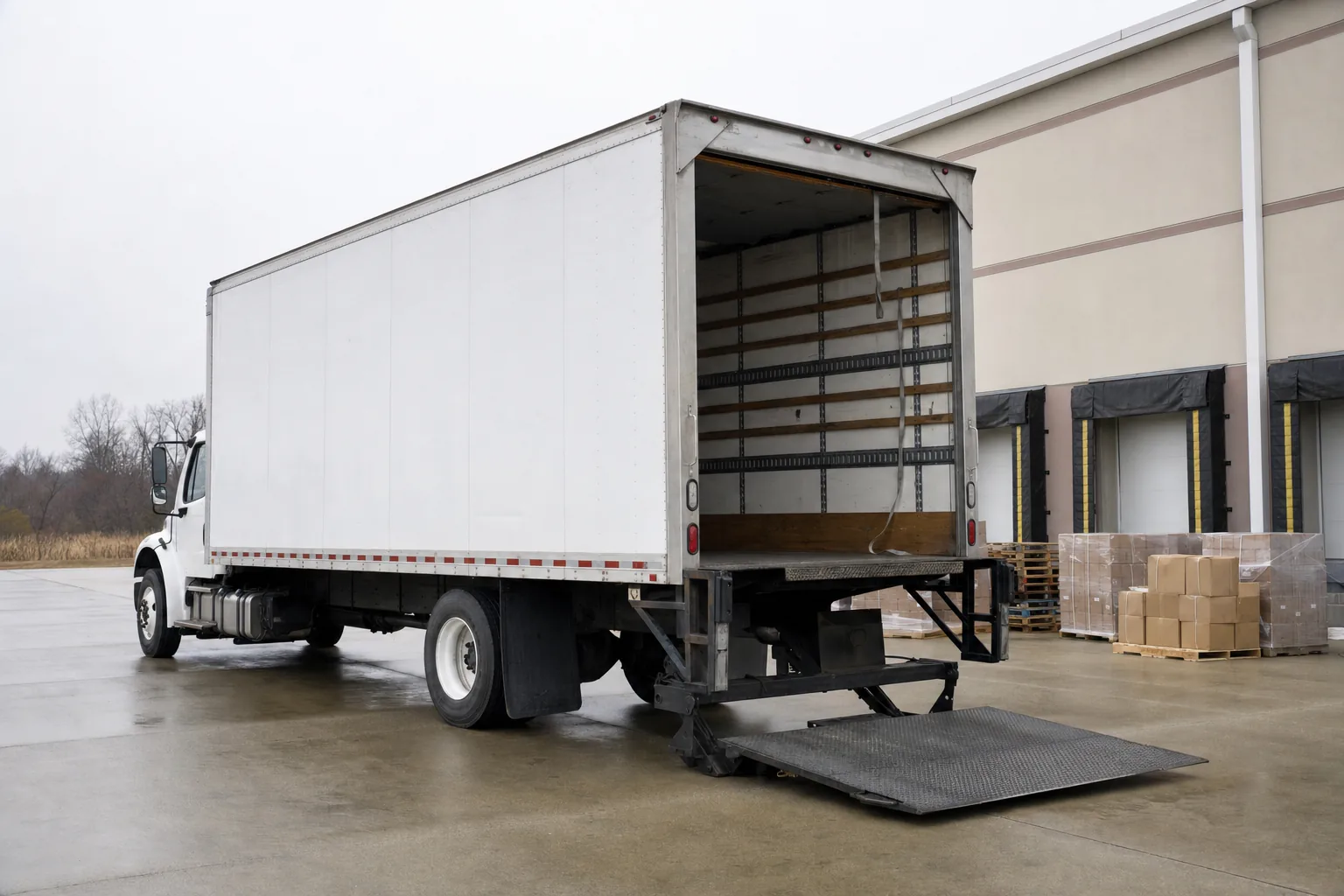
| Typical vehicle | Tractor-trailer | Cargo van, sprinter, straight truck |
| What prices the load | Miles and weight | Urgency first, then miles |
| License needed | CDL | None under 26,001 lbs GVWR |
Loads are quoted all-in for the run rather than per mile, and short runs carry minimums, since a four-hour emergency delivery still ties up the day. Deadhead (the empty miles to the pickup) counts whether or not anyone pays for it, so measure the rate against total miles driven.
Read the bottom two rows together: urgency prices the load, and no license stands between you and hauling it.
Can You Do It With the Van You Already Own?
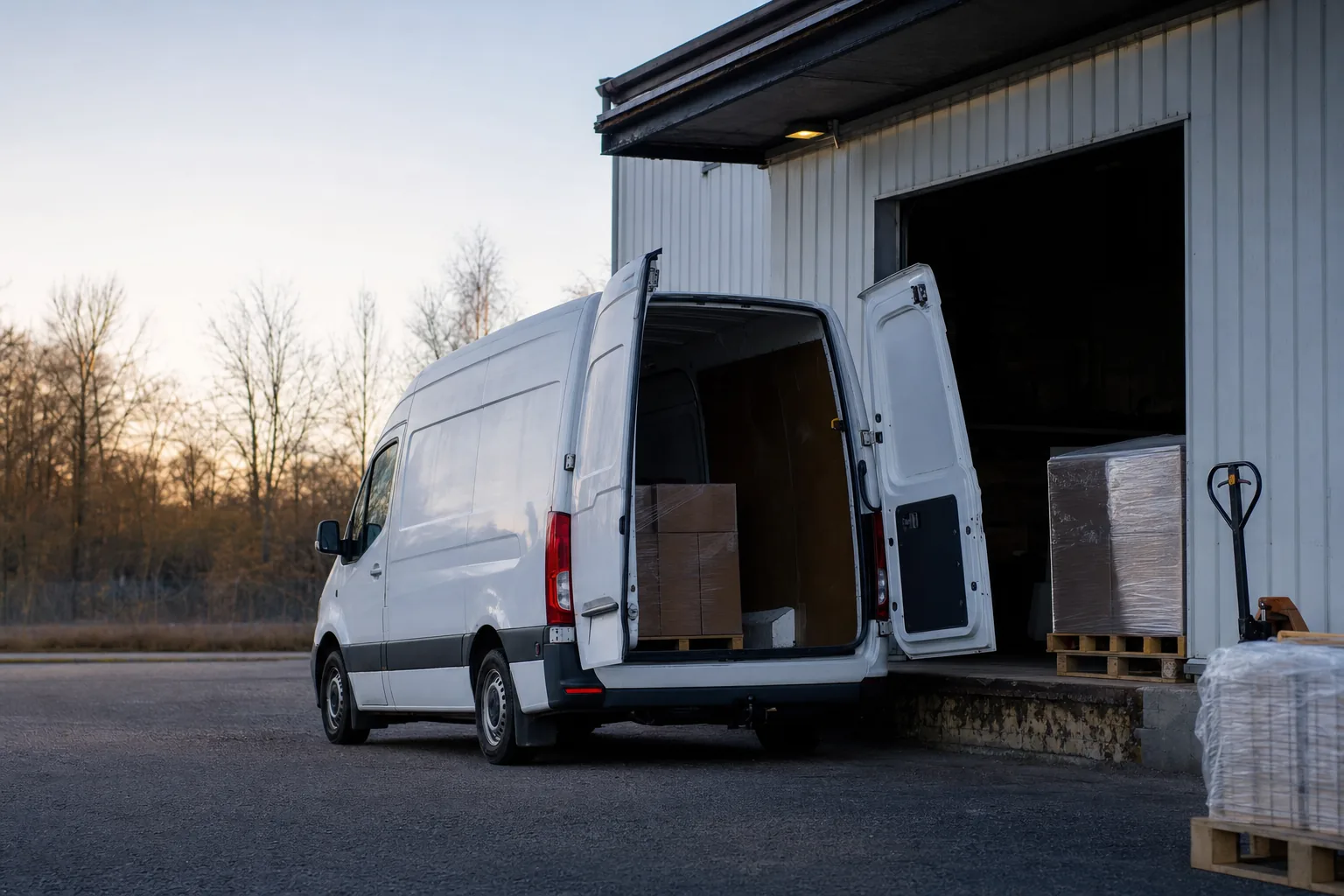
Often yes, with conditions. It has to be a full-size cargo van or a sprinter, not a passenger van with the seats out, with a usable cargo deck and a payload rating on the door jamb. Shelving comes out, and carriers set a maximum model-year age.
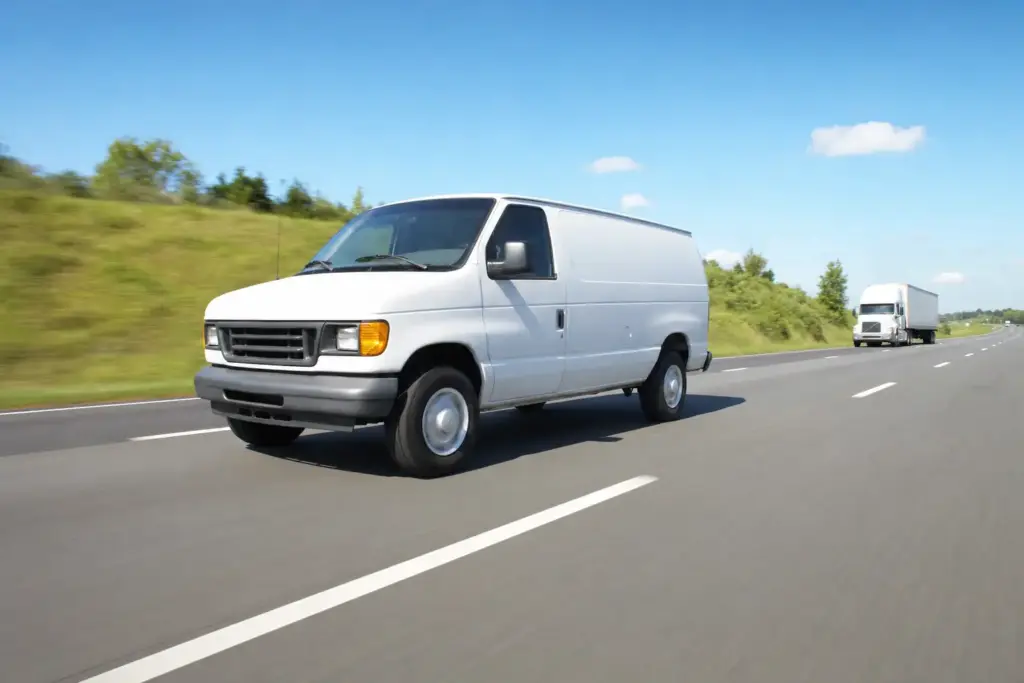
Which vehicle you have shapes which freight reaches you. A standard cargo van sits in the deepest pool of small urgent loads; cargo van owner-operator jobs is what that lane looks like day to day.
A high-roof sprinter reaches taller and longer freight the van has to pass on; sprinter van owner-operator jobs covers that side. Different pools, not a ladder. The right one is whichever you can keep loaded.
The rest is ordinary: a legal way to haul across state lines, insurance that satisfies the federal floor and whoever tenders the load, and a document set that holds up.
How Do You Get Into Expedited Trucking With a Van?
The route in is shorter than most assume, and the mistake is order: buying the van before you know which freight you are chasing is the expensive version. The full sequence is laid out in how to start a cargo van business.
The Three-Signal Expedited Test
Three signals tell you which one a load actually is.
- Why it moves: Something is late, not a planned resupply.
- How it rides: Dedicated to your vehicle, point to point.
- What prices it: The delivery window first, miles second.
Three yeses and it is expedited. Two, and it is courier or hotshot work using the word.
Dead time is the real risk: the load has to reach you, and working only the open boards means competing with a crowd doing the same. Roughly nine in ten carriers run ten trucks or fewer, according to ATA’s trucking industry data. Equipment sets the ceiling on what you can reach; access sets the floor on how much reaches you.
Leased onto a carrier, an operator with a compliant van and documents in order can be dispatched within days; under your own authority it takes weeks while federal filings clear. Neither route needs a school or a certification.
That is expedited from the driver’s seat: small dedicated loads, short notice, urgency doing the pricing, a license-free entry. If you have the van, start with the owner-operator program and pick the lane that matches what you drive.
Key Takeaways
- Expedited freight moves because something is late or a line is down.
- It rides on one vehicle, on hours of notice, point to point.
- Urgency prices it, not miles, which is why a van can earn on it.
- No CDL under 26,001 lbs GVWR, the lowest barrier in freight.
- Courier is local and per-stop; hotshot is trailer-based. Expedited is neither.
Expedited Trucking: Common Questions
What is expedited trucking?
Expedited trucking moves time-critical freight that cannot wait for a standard truck to fill up. The load is dedicated to a single vehicle, dispatched on a few hours of notice, and run point to point to a firm delivery window. Typical vehicles are cargo vans, sprinters and straight trucks rather than tractor-trailers, and urgency prices the load.
Do you need a CDL for expedited trucking?
Not for a cargo van, a sprinter, or a straight truck rated at 26,001 pounds gross vehicle weight or less, the threshold the FMCSA uses to divide commercial vehicles. That is the lowest license barrier anywhere in freight, and it is why a large share of new owner-operators start in expedited. There is no course or certification equivalent to CDL school.
What is the difference between expedited, courier and hotshot?
Courier work is local same-day delivery inside one metro, usually billed per stop. Hotshot is time-sensitive freight pulled on a trailer behind a heavy pickup, which is a different vehicle class and a different insurance conversation. Expedited is interstate more often than not, dedicated to your vehicle, and sold on the delivery window.
How much notice do expedited loads give?
Usually hours, and sometimes less. Expedited operators are expected to be reachable and available rather than on a fixed schedule, and a run can keep you out for two or three days. That is why the work filters people out on availability rather than skill, and why evenings-and-weekends operators fit local courier work far better.
How are expedited loads priced?
Expedited loads are usually quoted all-in for the run rather than as a pure per-mile figure, and short runs carry minimums, since a four-hour emergency delivery still ties up the day. Deadhead miles to reach the pickup count against you whether or not anyone pays for them, so measure the rate against total miles driven, not loaded miles.
Already Have the Van? Put It on Expedited Freight.
ExpeditedJobs connects single-vehicle operators to a steadier channel of time-critical freight, so the van earns on the days the boards go quiet.
Cargo Van Opportunities → Sprinter Van Opportunities →