


“Structured freight” sounds like a contract that locks you in. Most operators hear that phrase and picture a carrier program that controls your schedule, owns your decisions, and takes the largest cut. That assumption is almost exactly backwards. Structured freight programs for owner operators are built around the problem that load boards create – not the freedom they claim to offer.
The load board model is a daily reverse auction. You search, compare, call, and bid. Rates compress because every carrier on the board is doing the same thing on the same loads at the same time. By the time you land a load, you have already spent two to four hours on administrative work that does not appear on any invoice. That time comes directly off your effective hourly rate, and most operators never calculate it.
Structured programs replace that cycle with something predictable. Dedicated lanes. Pre-negotiated rates. Dispatch support that handles the coordination work. A freight access platform is built on those three pillars – no daily bidding, no rate compression from a hundred other carriers chasing the same load.
That is the model. Here is how it actually works.
What a Structured Freight Program Actually Means
A structured freight program is a freight access arrangement where the work is assigned rather than discovered. The operator qualifies for the program, completes onboarding, gets assigned to lanes or a freight network, and runs loads without going back to a board each time.
Rates are established before the operator runs the first load – not negotiated fresh each morning. Dispatch handles shipper coordination, load scheduling, and communication. The operator’s job is to move freight, not to find it.
This does not mean every load is identical or that the operator has no input on scheduling. It means the foundation is stable. The operator knows what freight is available, what it pays, and what the week looks like in advance. That information is worth more than most operators account for when they are calculating income on a load board.
There is no bidding, no hunting, and no 2 AM refresh to catch a load that will be gone by 6 AM. The freight exists. The operator accesses it.
How This Is Different From a Job Board or Employment
The independence question is the one operators ask first. A structured program is not employment. The operator stays an independent contractor. The MC stays active in the operator’s name. They own the equipment, set their own hours within the lane structure, and maintain the authority they have built.
The distinction matters legally and practically. An employee’s equipment decisions are made by an employer. In a freight program, the operator still controls the truck. They choose what runs make sense for their operation. They are not dispatched against their will or penalized for turning down a lane that does not work.
The freight access is structured. The business is still theirs.
A job board, by contrast, is just a listing service. It posts openings and expects operators to apply, wait, and compete for positions. There is no freight access built in. There is no dispatch support. Finding and landing a position is the operator’s problem to solve alone.
A freight access program removes the search entirely and replaces it with an ongoing relationship that has real freight attached to it.
Load Boards vs. Structured Access: The Real Difference
Load boards do not create rate problems by accident. The reverse auction model is the rate problem. Every load posted to an open board is priced based on the assumption that multiple carriers will compete for it. The posting rate is a ceiling, not a floor. The final rate is whatever the lowest acceptable carrier is willing to take on that day.
Structured programs set rates before the carrier ever sees the load. The freight is allocated based on capacity and lane fit, not based on who will work for less today. The operator running a structured program is not in competition with the operator in the next state who needs a load badly enough to cut the rate.
Load board revenue is also harder to plan around. A strong week followed by a dead week is not a cash flow strategy – it is a cash flow problem that compounds over time. Operators building toward a stable weekly gross cannot grow on revenue that swings twenty to thirty percent week to week.
Structured programs produce income that can be budgeted. Expenses can be timed against it. Growth decisions can be made against a known number.
Who Benefits Most From Structured Programs
New MCs in the first six months. The broker market for new carriers is closed or heavily discounted. Most brokers will not offer consistent freight to an MC under six months old. Load boards are accessible but unrewarding at this stage – rates are low, callbacks are limited, and the 21-day visibility window after authority issuance makes many platforms functionally useless for weeks. Freight programs built for new operators bypass that system entirely. The freight relationship is already in place before the broker market catches up to the new authority.
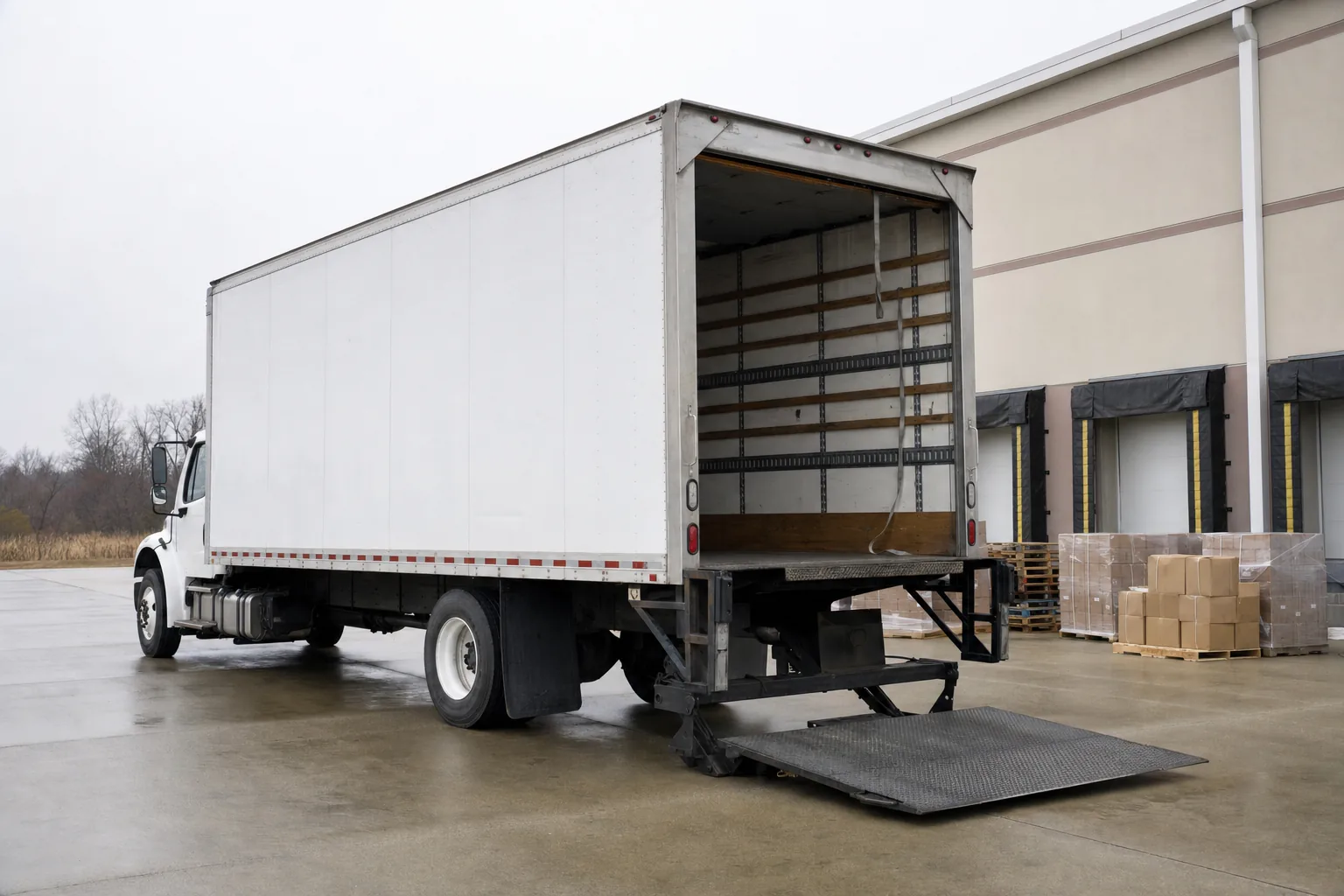
Box truck operators in competitive lanes. Box truck freight is not scarce. The problem is that the rates in most box truck lanes are driven down by high carrier density. Every operator on that lane sees the same loads, competes on the same boards, and ends up within a narrow band of rates that barely supports the operation. Structured programs assign the operator to freight that is already pulled out of the open market. The rate holds because the competition is gone.
Experienced operators spending two to four hours per day on load searches. Time on the board is not billable. An operator spending three hours per day on search and negotiation is losing fifteen to twenty hours of capacity per week to administrative work. At any reasonable rate per mile, that is a significant income loss that never shows up on a rate confirmation. Structured dispatch eliminates most of that overhead and converts it to either additional miles or time off the road.
Operators building toward a small fleet. A second truck needs a known freight base before it generates positive return. Adding capacity without reliable freight behind it is a way to double fixed costs and halve margins. Structured freight programs provide the freight base that makes fleet expansion a planned decision rather than a gamble.
How Qualification and Onboarding Work
Entry requirements vary by program, but the baseline is consistent. Active MC authority. Valid operating authority. Compliant insurance meeting minimum limits. ELD installed and registered. Clean safety record with no major violations or out-of-service history.
Most programs review the carrier’s safety score, insurance certificate, and authority documentation before onboarding. New MCs with authority under six months may face a short review period, but legitimate programs are built to accommodate new carriers – that is part of their function.
Onboarding typically covers lane assignment, dispatch communication protocols, load scheduling systems, and rate documentation. A well-run program sets clear expectations before the first load runs: what freight looks like, how dispatch communicates, what the operator is responsible for handling directly.
Lane assignments are matched to the operator’s location, equipment type, and capacity. A solo box truck operator in the Midwest is not assigned freight built for a flatbed team in the Southeast.
What to Look for – and What to Avoid
A legitimate structured freight program has transparent rates in writing before any agreement is signed. The operator knows exactly what they earn per mile or per load. There are no undisclosed deductions that appear after the fact.
The program demonstrates real freight volume. Guaranteed minimums with extensive conditions attached are not guarantees – they are disclaimers. Volume commitments should be specific and verifiable, not theoretical.
Dispatch support is included. Programs that take a percentage cut without providing dispatch or operational infrastructure are not structured programs. They are middlemen adding cost without adding function.
Red flags include programs that require significant upfront fees before the operator sees any freight, or programs that advertise guaranteed income without disclosing the lane requirements, equipment standards, or performance minimums that activate that guarantee. Any program that cannot answer basic questions about freight volume, lane structure, and rate calculation before onboarding is not a program – it is a lead generation funnel that ends with an upsell.
Ask directly: how much freight is available per week for my lane and equipment type? What is the rate structure? Who handles dispatch, and how is it communicated? What happens if freight volume drops below what was described?
Programs that answer these questions clearly and in writing are worth evaluating. Programs that deflect are not.
Moving Past the Load Board Model
The case against load boards is not that they never work. It is that they work poorly for most operators in most situations, and they get worse as experience, equipment, and income goals increase.
New operators cannot access the freight that experienced carriers get. Experienced operators cannot afford to lose twenty hours a week to search overhead. Box truck operators cannot compete on rates when the lane is oversaturated. Operators building a fleet cannot scale against unpredictable weekly income.
Those are structural problems. Load boards do not solve them – they create them.
A structured freight program addresses the root issue directly. The freight is already there. The rates are already set. The daily search overhead is eliminated. What remains is the work itself – moving loads, building a record, and making the decisions that actually grow the operation.
When load boards stop producing a usable income, the next move is not to work the boards harder. It is to change the freight access model underneath them.

Table of Content
- What a Structured Freight Program Actually Means
- How This Is Different From a Job Board or Employment
- Load Boards vs. Structured Access: The Real Difference
- Who Benefits Most From Structured Programs
- How Qualification and Onboarding Work
- What to Look for – and What to Avoid
- Moving Past the Load Board Model