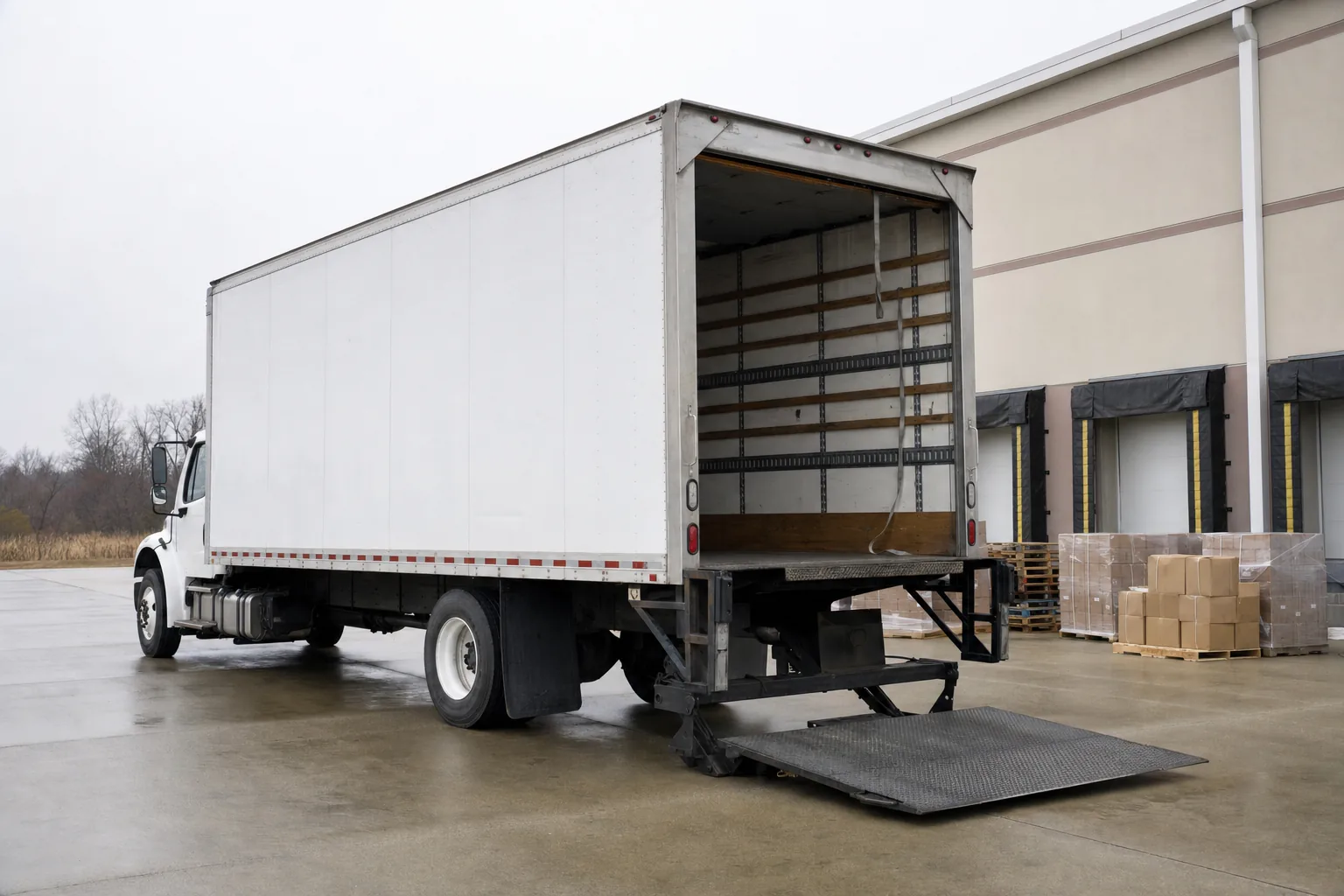



Empty miles do not look dangerous when they happen. A truck has to reposition. A reload is a few cities away. Dispatch says the next run will make up for it. By Friday, the math tells a different story.
That is how deadhead works in box truck operations. It does not kill the week in one move. It eats it in pieces.
A box truck owner-operator can run hard, stay busy, and still finish with a weak settlement because too many miles were unpaid, poorly planned, or disconnected from the next load. The problem is not movement. It is movement that does not produce revenue.
Why empty miles hit box truck operators so hard
Box trucks feel deadhead faster than long-haul setups. The lanes are shorter, the load cycles move quicker, and one weak repositioning decision can distort the rest of the week. 120 empty miles after delivery does not look bad on paper. But if that repositioning leads to downtime, a soft reload, or unpaid waiting, the effect multiplies.
Empty miles do not exist on their own. A deadhead leg is not just fuel. It also affects available driving time, next-load timing, and the truck’s position in the market.
The cost becomes obvious when fuel spikes. The U.S. Energy Information Administration reported the national average on-highway diesel price at $5.643 per gallon for the week of April 6, 2026. Even before maintenance, tires, and labor are factored in, empty movement is still burning paid capacity. According to the EIA diesel update, the fuel side alone remains too expensive to treat deadhead as harmless.
Here is the part most operators miss. You do not lose money only when the truck sits. You lose it when it moves without a revenue purpose.
Where empty miles usually come from
Most deadhead problems are not random. They come from the same planning mistakes week after week.
1. Accepting a load without checking the next market
A load can look decent on its own and still create a weak week. It happens when the load drops you into a weak market. The first leg pays. The second move absorbs the margin.
That is why the real question is not “Does this load pay?” The real question is, “What does this load do to the next 24 to 48 hours?”
2. Treating repositioning as a normal cost instead of a planning failure
Some repositioning is normal. Freight does not move evenly. But many empty miles are accepted too casually. When long unpaid moves show up several times per week, that usually signals a system problem, not bad luck.
3. Reload timing gaps
A box truck can lose efficiency even when total deadhead is moderate. If the truck delivers, waits too long, and then has to reposition under time pressure, the operator takes the hit twice. The week loses both time and paid miles.
4. Running without a weekly lane strategy
Operators who build the week load by load often create more deadhead than operators who plan the week by corridor, reload probability, and freight consistency. The difference is not theoretical. It changes what the truck does between paying moves.
How to measure deadhead correctly
Many operators underestimate empty miles because they only look at the biggest unpaid moves. That misses the pattern.
Track these numbers every week:
- total loaded miles for the week
- total empty miles for the week
- percentage of empty miles against total miles
- which empty miles were necessary versus avoidable
- whether empty movement led to a stronger reload or just covered a planning gap
A simple benchmark helps here. If a box truck runs 1,800 total miles in a week and 320 miles are empty, deadhead is 17.8% of total movement. That is not just a mileage stat. It is a revenue signal.
At that point, the operator should ask three questions:
- Did those empty miles lead to better paid freight?
- Were they planned in advance or caused by weak reload timing?
- Would a different lane choice have reduced them?
That is where deadhead becomes useful data instead of background noise.
Comparison table: what weak vs controlled weeks look like
| Weekly pattern | Weak week | Controlled week |
|---|---|---|
| Load selection | Takes loads one by one | Chooses loads based on next-market logic |
| Reload planning | Looks after delivery | Evaluates reload options before booking |
| Empty miles | Frequent reactive repositioning | Limited, purposeful repositioning |
| What the week actually pays | Depends on daily luck | Built around weekly planning |
| What the week actually looks like | More swings, more leakage | More consistency, cleaner margin |
The difference is not random. It comes from whether the truck is being routed for single loads or for the entire week.
What actually reduces empty miles
Deadhead does not come from one mistake. It comes from the same bad decisions repeated all week.
Plan the reload before accepting the first load
The first protection against empty miles happens before dispatch is confirmed. Operators should check where the truck will land, what freight usually reloads there, and how far the next pickup sits from delivery.
A weaker outbound load can still produce a stronger week if it keeps the truck inside a cleaner corridor with better reload density.
Favor consistency over occasional spikes
High-paying single loads can be misleading when they pull the truck into unstable freight pockets. A more modest run inside a repeatable lane may create better weekly revenue because it reduces repositioning and reload downtime.
This is where many operators get trapped. They chase the stronger-looking number and inherit a weaker week.
Track deadhead by lane, not just by week
Weekly totals matter, but lane patterns matter more. If certain delivery zones repeatedly create 80 to 150 empty miles before the next paid move, those zones should be treated as a structural problem. Good operators do not only ask what happened this week. They ask which lanes keep causing the same leakage.
Reduce avoidable urgency
Emergency repositioning usually means planning happened too late. When a truck has to scramble for the next pickup, deadhead often rises because the operator is buying time with miles. Cleaner planning reduces those panic moves.
Work with freight that supports continuity
The most reliable reduction in empty miles usually comes from freight systems that provide better load sequencing, lane discipline, and dispatch support. That matters more than individual load wins. An operator does not need zero empty miles. The goal is fewer unpaid miles that do not improve the week.
For box truck operators trying to stabilize routing, this is where structured box truck freight starts to matter, where loads connect instead of forcing the operator to fix the week after every delivery.
Where this shows up in real operations
In real operations, deadhead problems show up before they appear in accounting.
They show up when Monday starts well and Wednesday is already being used to repair Friday. They show up when a decent load requires a long unpaid move just to stay active. They show up when the truck is technically busy, but the week still feels thin.
That pattern is common in box truck work because short-haul and regional freight create more decision points. More decision points mean more chances to accept a load that looks acceptable alone but breaks the sequence of the week.
Operators who reduce empty miles are not doing anything glamorous. They are choosing corridors more carefully, rejecting loads that create downstream damage, and protecting reload timing before it becomes a problem.
What this means for weekly revenue
The week gets easier when the truck stops needing to be fixed mid-run. That does not mean every week will look identical. Freight still shifts. Markets still change. But the week becomes easier to predict.
That is the real gain.
Less deadhead means more than lower cost. It means better control. It becomes easier to estimate whether the next load is helping or hurting. It becomes easier to see whether dispatch is creating continuity or just keeping the truck moving. And it becomes easier to compare independent operation against more structured models.
That comparison is part of the same decision behind leasing onto a carrier vs running under your own authority. In both cases, the underlying question is the same: does the operating model reduce chaos, or does it leave the operator absorbing it alone?
Final takeaway
Box truck owner-operators do not reduce empty miles by chasing perfect loads. They reduce them by building cleaner weeks.
That means checking the next market before booking the current run, measuring deadhead as part of weekly economics, and treating repeated unpaid repositioning as a planning issue, not normal background cost.
Empty miles will never disappear completely. But when they stop controlling the week, revenue starts making more sense.