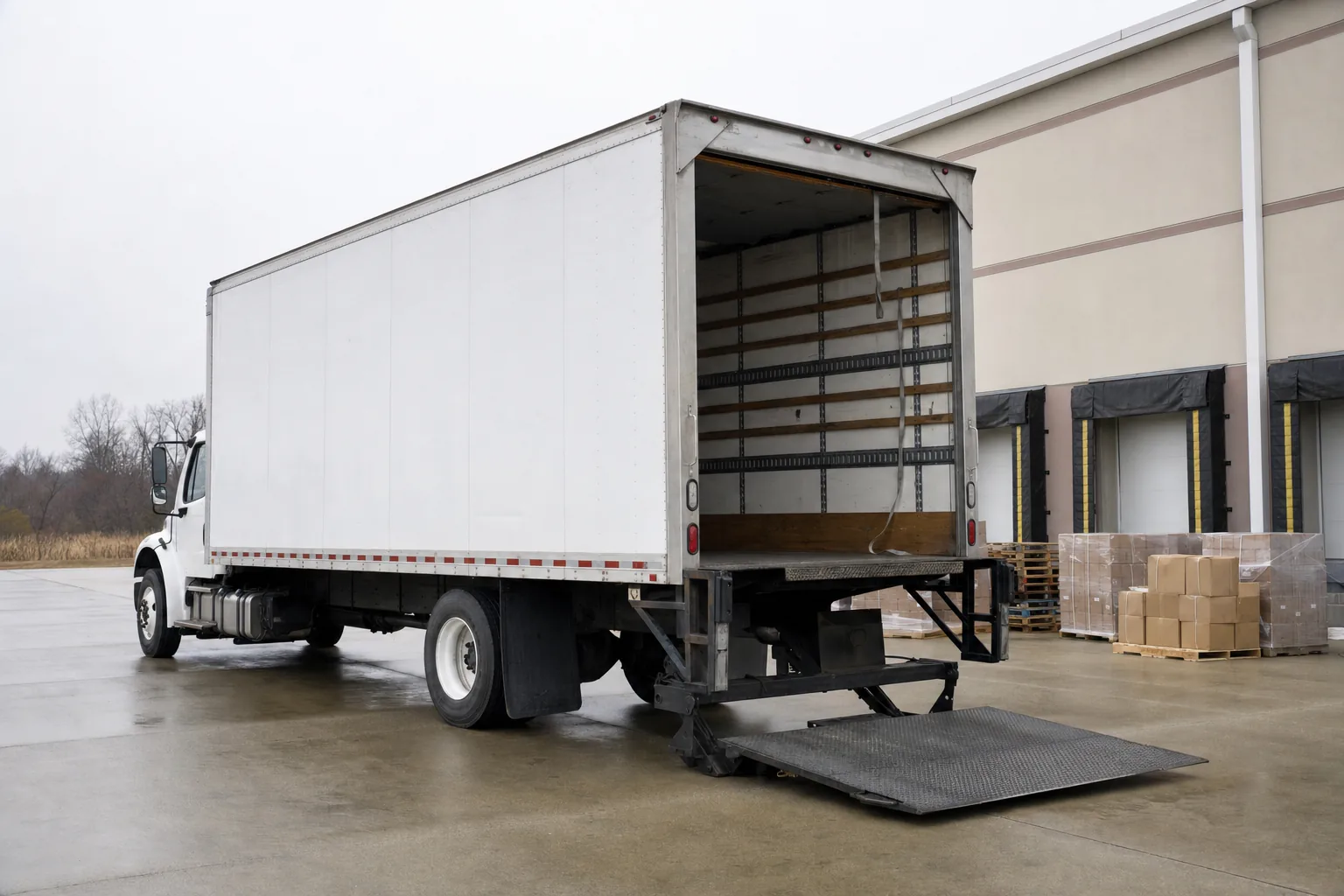



For years, expedited freight was viewed as a straight-truck or CDL-only segment. That distinction is fading. A growing share of cargo van and light box-truck operators – vehicles under the 26,000-lb threshold – are shifting into expedited lanes because the operating math increasingly favors structured freight over fragmented delivery models.
This movement is not driven by trends or social media narratives. It is driven by cost structure, utilization efficiency, and regulatory economics.
The Operating Cost Reality for Non-CDL Vehicles
Independent cost tracking across light commercial fleets shows that non-CDL vehicles typically operate within a narrow margin band once fuel, maintenance reserves, tires, and insurance are included. What undermines profitability is rarely the visible expense – it is the invisible one: unpaid hours and empty repositioning miles.
In app-based delivery ecosystems, operators frequently report:
- $1.10–$1.45 all-in operating cost per mile
- 20–35% non-revenue miles
- 3.0–3.5 productive days per week on average
- Multi-hour unpaid queue or staging times
- Route cancellations without compensation
When those factors are applied to weekly totals, effective hourly yield often drops below sustainable thresholds even when per-mile figures appear competitive. Expedited freight does not promise guaranteed high rates; it improves vehicle productivity per operating day, which is what actually determines margin.
Freight Fragmentation Is Creating Structural Demand
Shipment size distribution has shifted toward smaller, time-sensitive consignments. Regional warehousing expansion, decentralized inventory models, and faster restocking cycles have increased the volume of freight that requires speed rather than cubic capacity. Cargo vans and sub-26,000-lb box trucks are no longer peripheral in this environment – they are operationally efficient.
This structural change produces two measurable advantages for non-CDL operators: higher reload probability within regional radiuses and reduced dwell risk compared to full truckload lanes. Expedited freight is defined less by vehicle class and more by shipment urgency and scheduling precision.
Insurance and Compliance Economics Influence Entry Decisions
For independent drivers evaluating long-term sustainability, fixed monthly overhead often carries more weight than per-mile rate. Insurance premiums for heavier CDL equipment have risen faster than light commercial policies, while certification requirements and compliance layers add additional entry friction.
Remaining in the non-CDL category allows operators to balance earning potential with manageable exposure. The decision is rarely about avoiding regulation – it is about maintaining a predictable cost structure while preserving commercial flexibility.
Utilization – The Metric That Determines Profit
Experienced operators evaluate profit by productive days and loaded miles, not headline rate alone. A cargo van earning a strong per-mile figure but running only three productive days will routinely underperform a van earning a moderate rate across five structured days with shorter reload gaps.
Expedited lanes typically improve utilization through:
- Defined pickup windows
- Detention terms visible in advance
- Broker-coordinated reload planning
- Reduced “dead days” between shipments
- Higher lane continuity in 150–300-mile ranges
Even incremental improvements – moving from 3.2 to 4.5 productive days per week – can shift weekly outcomes more significantly than rate increases alone. Utilization is not a secondary metric; it is the central one.
Platform Fatigue Is Accelerating the Transition
A significant share of non-CDL operators entering expedited freight cite the same catalyst: platform instability. Algorithm-driven pricing, sudden account suspensions, and permit changes introduce volatility that is difficult to forecast or hedge against.
In contrast, expedited freight environments operate through broker-carrier structures where rate confirmations are documented, communication is direct, and reload coordination exists. The appeal is not only financial – it is operational predictability.
What Non-CDL Operators Are Actually Optimizing For
Search and application behavior indicates that drivers entering expedited freight are rarely optimizing for a single number. They are optimizing for a combination of factors that influence week-to-week stability:
- Lane continuity and reload density
- Dispatcher or broker communication support
- Reduced empty-mile ratios
- Clear onboarding timelines
- Minimal administrative friction
In practical terms, expedited freight aligns with these priorities because it replaces reactive assignment with planned movement and structured coordination.
The Practical Shift for Cargo Vans and Non-CDL Box Trucks
Transitioning into expedited work rarely requires a vehicle change. It requires a shift in operating model – from notification-driven delivery to scheduled freight with defined shipment windows and repeat lane potential. Operators who make this move often cite the same difference: fewer idle days, clearer expectations, and stronger weekly predictability rather than sporadic spikes.
Ready to See Current Non-CDL Opportunities?
If you operate a cargo van or non-CDL box truck and want structured freight instead of random delivery runs, there are active opportunities available now.
Frequently Asked Questions
What does “non-CDL” actually mean for the vehicle I can run?
Non-CDL simply refers to vehicles that fall under the weight threshold that would otherwise require a commercial driver’s license to operate. In practice, that covers cargo vans and smaller box trucks that stay under that gross weight limit. You are not locked into one vehicle type either. Plenty of operators start in a cargo van and move up to a larger non-CDL box truck once they understand what freight is available in their region and what cube or weight capacity actually gets used week to week.
What kind of freight actually fits a cargo van or small box truck?
Think smaller, time-sensitive shipments rather than full pallets stacked to the ceiling. Medical and lab supplies, automotive parts, electronics, retail replenishment, and time-critical business freight all move well in a van or small box truck. The common thread is not size, it is urgency. Shippers use expedited freight when a shipment cannot wait for a scheduled truckload run, and that is exactly the gap a smaller, faster vehicle is built to close.
How do I actually get started moving into expedited work?
Start by being honest about what your vehicle can carry and how far you are willing to run on a given day. From there, the process is mostly about getting set up with a broker or carrier partner who works expedited lanes, confirming how rate confirmations and paperwork are handled, and understanding how loads get assigned before you commit your schedule to it. Most operators ease into it by running a mix of familiar freight and expedited loads until they see how the reload pattern in their area actually behaves.
Do I need my own MC authority to run expedited freight?
It depends on how you plan to operate. Some non-CDL operators run under their own authority, while others work through a carrier or broker relationship that handles the contracting side. If you are new to this, it is worth talking directly with whoever you plan to work with about how authority, insurance, and paperwork are structured for your situation before you commit equipment and time to it. Requirements can vary by state and by the type of freight you are hauling, so treat this as a conversation to have early, not an assumption to make on your own.
What should I realistically expect in the first few weeks?
Expect an adjustment period, not instant results. You are learning a new rhythm: how far in advance loads get confirmed, how reload opportunities line up in your operating radius, and how communication with dispatch actually works day to day. Some weeks will run tighter than others while you build a sense of which lanes are dependable. Operators who stick with it tend to focus less on any single load and more on building a consistent weekly pattern.
Is expedited work harder than what I’m doing now?
It is different more than it is harder. Expedited freight tends to reward planning and communication over constant availability. Instead of waiting on an app to ping you, you are working with defined pickup windows and known expectations going in. For operators tired of unpredictable assignments and unpaid waiting time, that structure is usually a relief rather than an added burden, though it still requires discipline around scheduling and keeping your vehicle ready to move.
Your First Two Weeks in Expedited: A Utilization Worksheet
Most operators judge a move into expedited work by the rates they are quoted. Rates are the wrong first measurement, because expedited pays for availability as much as for miles. Track utilization for two weeks and you will know more than any rate conversation can tell you.
Record five numbers at the end of each day. It takes under a minute.
- Hours available: hours you were genuinely ready to take a load, with the vehicle empty and fuelled and you legal and rested.
- Hours committed: from accepting a load to delivering it, including time spent waiting at a dock.
- Loaded miles and total miles. The gap between them is your deadhead.
- Loads offered and loads taken: two separate counts, not a ratio you estimate afterwards.
At the end of the fortnight, three ratios do the work.
Commitment rate = hours committed ÷ hours available
How much of your availability actually converts into work. A low number means you are paying, in time you cannot bill, for the privilege of being ready, and that cost has to be priced into what you accept. It is the single number that separates expedited from the mileage-driven work most operators come from.
Loaded-mile share = loaded miles ÷ total miles
Deadhead is the tax that quietly ends small operations. Measured over two weeks it stops being a feeling about a bad stretch and becomes a number you can act on by changing where you reposition, which lanes you accept, or who you take freight from.
Acceptance rate = loads taken ÷ loads offered
Both extremes are worth investigating. A very low acceptance rate usually means you are being offered the wrong freight for your vehicle or your area. A very high one often means you are taking work you should be declining, and that shows up a week later in the loaded-mile share.
Two weeks is short enough that you will actually finish the exercise and long enough to catch one bad week without it distorting everything. Keep the sheet afterwards. When you later compare dispatch sources, change lanes, or move up in equipment, the only way to know whether anything improved is to have measured what it was before.

Table of Content
- The Operating Cost Reality for Non-CDL Vehicles
- Freight Fragmentation Is Creating Structural Demand
- Insurance and Compliance Economics Influence Entry Decisions
- Utilization – The Metric That Determines Profit
- Platform Fatigue Is Accelerating the Transition
- What Non-CDL Operators Are Actually Optimizing For
- The Practical Shift for Cargo Vans and Non-CDL Box Trucks
- Ready to See Current Non-CDL Opportunities?
- Frequently Asked Questions
- Your First Two Weeks in Expedited: A Utilization Worksheet