


Starting a trucking company with a new MC authority is one of the biggest steps an owner – operator can take. It also introduces one of the most common early challenges in the industry: getting approved by freight brokers.
Many new carriers quickly discover that some brokers require several months of authority history before assigning loads. For a driver who has just launched an authority, this can create a frustrating situation – the truck is ready to run, but access to freight is limited.
However, new MC authorities secure loads every day across the U.S. trucking market. The key is understanding which brokers are open to new carriers and how the approval process works.
This guide explains how brokers evaluate new MC authorities, where new carriers typically find their first loads, and what steps increase the chances of broker approval.
What Is a New MC Authority?
A new MC authority refers to a motor carrier that has recently received operating authority from the Federal Motor Carrier Safety Administration (FMCSA).
Once a carrier receives its MC number, it is legally allowed to transport freight in interstate commerce. However, most freight brokers still evaluate carriers carefully before offering loads.
This is because a brand – new carrier has no shipment history, no broker references, and limited operational data, which makes risk assessment more difficult for brokers.
According to FMCSA data, tens of thousands of new motor carriers register each year in the United States, but a significant portion of them stop operating within their first year. Because of this industry turnover, many brokers apply minimum authority requirements before approving new carriers.
Why Some Brokers Avoid New MC Authorities
Freight brokers act as intermediaries between shippers and carriers. When a broker assigns a load, they are responsible for ensuring the shipment moves safely and arrives on time.
For brokers, working with a brand – new carrier can introduce several unknown factors: no freight delivery history, unknown safety performance, limited broker references, and potential compliance risks.
To manage this risk, many brokerages implement authority – age policies.
| Broker Type | Typical Authority Requirement |
| Large national brokers | 6 – 12 months authority |
| Mid – size brokerages | 90 – 180 days |
| Regional brokers | Often flexible |
These policies are not universal, but they are common enough that new carriers often need to focus on brokers that specialize in high – volume freight or regional logistics markets.
Types of Brokers That Often Work With New MC Authorities
Not every broker requires a long authority history. Some segments of the freight market operate under different conditions and regularly work with newer carriers.
Regional freight brokers, for example, often handle shipments that move quickly between warehouses and distribution centers. Because these shipments require consistent truck availability, regional brokers frequently rely on smaller carrier networks.
Expedited freight brokers are another common entry point for new carriers. When shipments are time – sensitive, brokers often prioritize available trucks and fast response times over authority age.
Brokers in the following segments are often more flexible when working with new carriers:
- regional freight brokerages handling short – haul shipments
- expedited freight brokers moving time – sensitive cargo
- last – mile logistics companies handling retail distribution
- smaller independent brokerages with flexible carrier policies
Drivers who focus on these segments often secure their first loads faster than those contacting only large national brokerages.
Freight Types That Are Easier for New MC Carriers
Certain freight categories tend to be more accessible to new carriers because they move frequently and require smaller equipment.
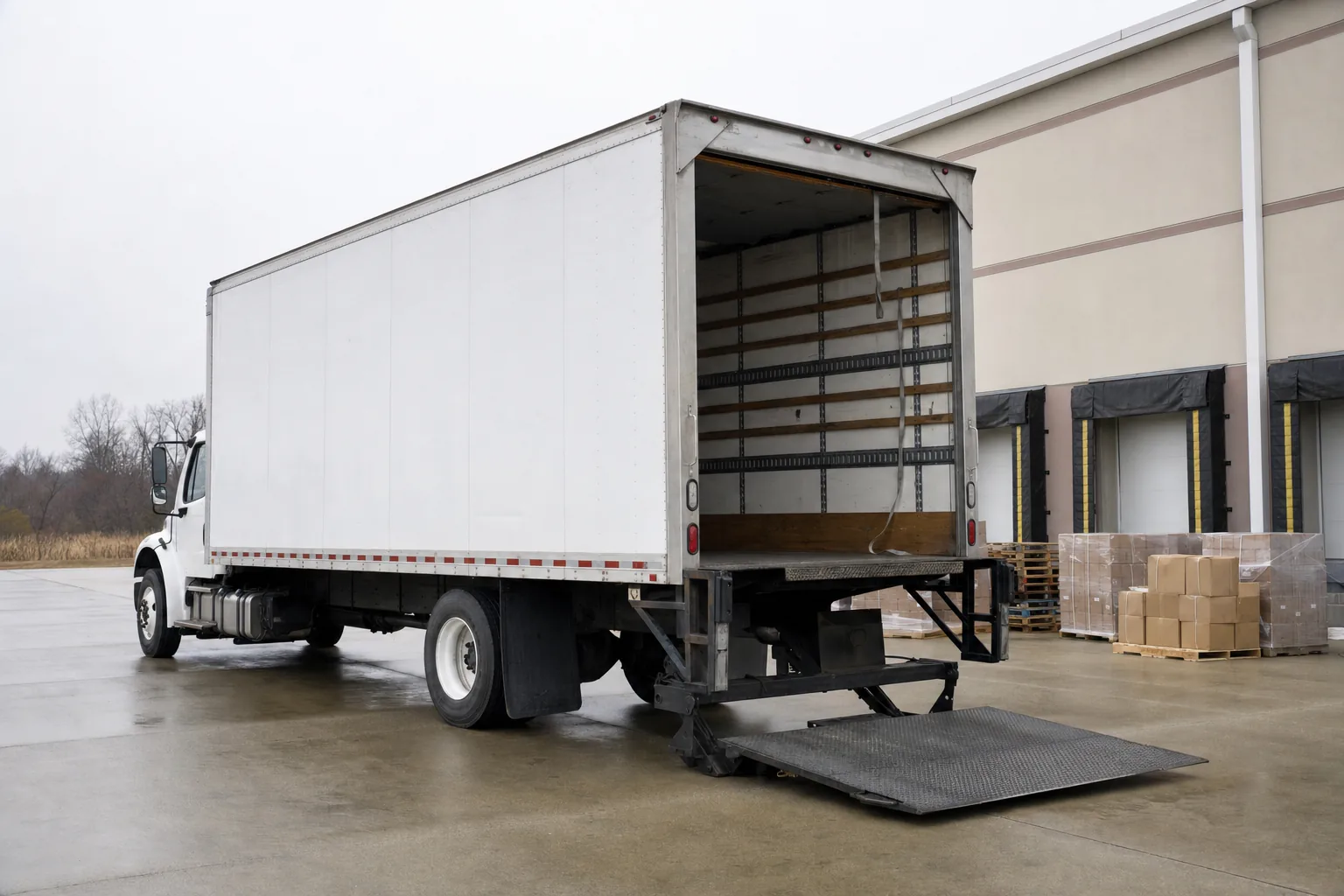
Box trucks, cargo vans, and sprinter vans are widely used for regional distribution, last – mile delivery, and expedited freight, all of which generate high shipment volume.
| Freight Type | Typical Equipment | Why It Works |
| Last – mile delivery | Box trucks | High shipment frequency |
| Expedited freight | Sprinter vans | Time – sensitive loads |
| Retail distribution | Box trucks | Constant warehouse transfers |
| Regional warehouse freight | Straight trucks | Short – haul demand |
Because these shipments move quickly through supply chains, brokers often prioritize available capacity and fast communication over long authority history.
Drivers operating box trucks frequently see strong demand across major logistics corridors. Freight density varies by location, which is why understanding where freight moves most consistently can significantly improve load availability.
If you are evaluating freight markets, this guide to Best States for Box Truck Loads explains where demand is strongest across the United States.
How New MC Carriers Can Improve Broker Approval Chances
Even when a carrier has a brand – new authority, several factors can significantly increase the likelihood of broker approval.
The first is complete documentation. Many carriers are rejected simply because paperwork is missing or incomplete when a broker reviews the carrier packet.
Typical broker requirements include:
- active MC authority
- insurance certificate
- W – 9 form
- signed carrier agreement
Having these documents ready makes it easier for brokers to approve the carrier quickly when a load becomes available.
Communication also plays an important role. Brokers consistently report that reliable communication is one of the most important traits they look for in new carriers. Drivers who answer calls promptly, provide accurate pickup updates, and maintain clear communication often receive repeat opportunities.
Another important factor is lane consistency. Carriers who clearly explain where they operate – such as Midwest regional freight or Texas distribution corridors – help brokers match them with shipments more efficiently.
Where New MC Carriers Usually Find Their First Loads
During the first months of operation, most carriers combine several freight acquisition strategies rather than relying on a single source.
Load boards are often the starting point because they provide immediate visibility into available freight. Many new owner – operators monitor load boards daily while simultaneously contacting brokers directly and building relationships with companies that regularly move freight in their preferred lanes.
Some drivers also work with dispatch support or freight networks that help coordinate shipments and broker communication. These services can reduce the time drivers spend searching for loads and allow them to focus on running freight.
Over time, the strategy usually evolves. Drivers who initially depend on public load boards often transition toward repeat broker relationships and consistent freight lanes, which provide more predictable weekly revenue.
If you are evaluating load board platforms, this guide to Best Load Boards for Box Trucks explains which tools are most commonly used by owner – operators searching for freight.


How Long It Usually Takes New MC Authorities to Start Getting Consistent Freight
One of the most common questions new carriers ask is how long it takes before brokers begin offering loads consistently.
Most new authorities go through a short credibility gap period during the first few weeks of operation. Because the carrier has no delivery history yet, many brokers hesitate to assign shipments.
As a result, the first few loads are usually the hardest to secure.
However, once a carrier successfully completes several shipments, the situation changes quickly. Brokers begin to see a track record of reliable pickups, communication, and on – time delivery.
Most new carriers begin gaining consistent freight once they establish several credibility signals:
- completed shipments with broker references
- clean compliance and safety records
- reliable pickup and delivery communication
- clear operating lanes
For many new authorities, this transition typically occurs within 30 to 90 days of active operation.
During this early stage, the primary objective is not maximizing rates but building a reliable operating history. Once brokers see that a carrier can move freight consistently, approval for future loads becomes significantly easier.
Current Opportunities for Owner – Operators
Demand for small commercial vehicles remains strong across many freight segments.
Drivers operating 22 – 26 ft box trucks currently see some of the strongest demand across regional freight corridors.
Drivers can explore box truck carrier jobs available across major freight markets.
These opportunities help new carriers secure early shipments while building broker relationships and operational history.
Final Thoughts
Starting a trucking company with a new MC authority can feel challenging, particularly when many brokers require operating history before assigning loads.
However, thousands of owner – operators successfully enter the freight market every year by focusing on the right broker segments and building relationships gradually.
By targeting brokers that work with new carriers, maintaining professional communication, and operating in strong freight markets, new authorities can secure their first loads and begin building the track record needed for long – term success.
Those early shipments may be the hardest to obtain, but they often become the foundation for repeat broker relationships and consistent freight opportunities.

Table of Content
- What Is a New MC Authority?
- Why Some Brokers Avoid New MC Authorities
- Types of Brokers That Often Work With New MC Authorities
- Freight Types That Are Easier for New MC Carriers
- How New MC Carriers Can Improve Broker Approval Chances
- Where New MC Carriers Usually Find Their First Loads
- Struggling to Find Stable Loads With a New MC?
- How Long It Usually Takes New MC Authorities to Start Getting Consistent Freight
- Current Opportunities for Owner – Operators
- Final Thoughts