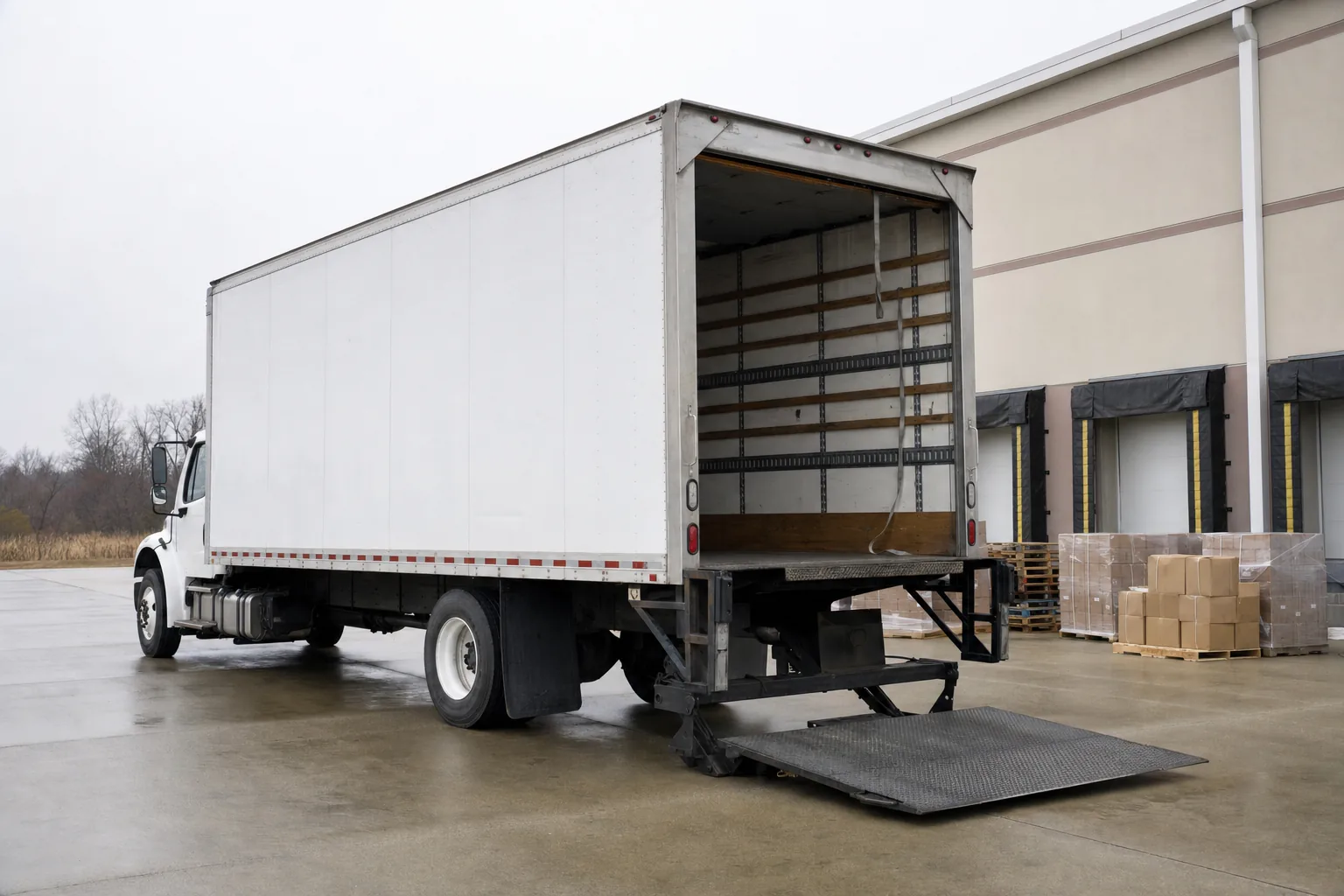



The Slow Days Aren’t Random
Most box truck operators assume midweek is just quiet. The phone goes still on Tuesday afternoon, Wednesday feels like you’re refreshing the same boards for nothing, and by the time freight picks back up you’ve already burned a day or two sitting. The usual read is that the market slowed down. Sometimes it did. But more often the slow days are telling you something about how your freight gets to you, not how much freight exists.
Here’s the part that gets missed. The loads didn’t disappear midweek. Your access to them narrowed. When every load you run comes off an open board, you’re not really booking freight. You’re competing for whatever a broker decides to post at the moment you happen to be looking. That posting rhythm has gaps built into it, and those gaps land on you as empty days even when the wider market is moving plenty of freight.
This matters more for small operators than anyone wants to admit, because almost everyone running expedited box truck freight is a small operator. Roughly nine in ten FMCSA-registered carriers run ten trucks or fewer, according to the agency’s own large truck statistics. That’s a market built out of single trucks and tiny fleets, all pulling from the same queue. When a broker holds a post, thins out coverage on a lane, or just doesn’t have a load ready for your equipment that hour, there’s no second channel feeding you. The queue is the whole supply.
A bigger fleet doesn’t feel this the same way. A carrier with a dozen trucks has standing relationships, committed lanes, and enough volume that brokers route to them first. The single-truck operator gets what’s left after that, posted to the open market for whoever grabs it. So when you’re sitting quiet on Wednesday, you’re not lazy and you’re not behind. You’re at the far end of a supply line that gets thin exactly when posting slows, and that’s a position thousands of operators share without realizing it’s the same position. The way out of it is a second source of freight that doesn’t run dry midweek, the kind of steady lane that box truck owner-operator jobs are built to give a single truck.
What a Broker-Queue Week Actually Looks Like
Spread a typical week out and the pattern shows up fast. Monday and Tuesday are usually heavy because shippers are clearing what built up over the weekend. By midweek that backlog is gone, and you’re left waiting on fresh freight to post. Then Thursday and Friday spike again as everyone tries to move loads before the weekend. The freight is uneven because the posting is uneven, and if the board is your only source, your income is just as uneven.
The table below lays out what those days tend to feel like when you’re running off open boards, and what’s really driving each one. Read it less as a complaint about brokers and more as a map of where the gaps are.
| Part of the week | What it feels like | What’s actually happening |
|---|---|---|
| Mon to early Tue | Plenty to choose from | Weekend backlog clearing, brokers posting heavy |
| Tue afternoon to Wed | Boards go quiet, rates soften | Backlog gone, fewer fresh posts, more trucks chasing each one |
| Thu | Slow start, late pickup | Freight rebuilding ahead of the weekend push |
| Fri | Sudden rush, pressure to grab anything | Shippers clearing the week, you booking from a position of need |
Notice what the midweek gap does to your week beyond the lost miles. It pushes you into Friday hungry, and a hungry truck takes worse rates. So a quiet Wednesday rarely stays a one-day problem. It softens your negotiating position for the back half of the week too, and one gap compounds into a cheaper week.
Run the math on it the way you’d run any other operating cost. Say a midweek gap costs you a single loaded day. On a box truck, that’s not just the revenue you didn’t earn. It’s a fixed truck payment, insurance, and your own time burning while the truck sits. If that day goes missing two or three times a month, you’re not losing one slow afternoon. You’re losing a couple of paid days every month to a gap that shows up on schedule. Most operators never add those days up, so the cost stays invisible and keeps repeating.
The Gap Is Structural, Not Bad Luck
It’s easy to blame yourself when midweek dries up. You start wondering if you missed a load, picked the wrong lane, or should have repositioned sooner. Some weeks that’s fair. But when the same gap shows up week after week, in different markets, on different lanes, the problem isn’t your booking instincts. It’s that you only have one way to find freight, and that one way has a built-in rhythm you can’t control.
Operators who don’t see these gaps usually aren’t luckier or faster on the boards. They’ve added a second source of freight that runs underneath the open market. Instead of starting every day from zero, they have lanes and relationships feeding them work whether or not a good load happens to post that hour. That’s the whole idea behind a structured freight program for owner-operators: consistent expedited loads outside the open-board queue, so a quiet Wednesday on the boards doesn’t mean a quiet Wednesday for your truck. It isn’t a load board and it isn’t a dispatch service. It’s a steadier channel running parallel to the one you already use.
You don’t have to leave the boards to fix this. Plenty of operators keep working open freight and treat it as the bonus layer on top of a base they can count on. The boards become where you take the strong load that beats your average, not the only place you have to win every single day. That shift, from sole source to bonus layer, is what flattens the midweek dip.
The difference shows up in how the week feels. When the board is your only source, a slow Wednesday is a problem you have to solve under pressure, refreshing, calling, repositioning on a guess. When you’ve got a base layer feeding you, the same Wednesday is just a day you’re already covered for, and the board is somewhere you check for upside instead of survival. Same market, same truck, completely different week. The freight didn’t change. The number of doors you can knock on did.
How to Read Your Own Slow Days
Before you change anything, watch the pattern for a few weeks with honest eyes. If your gaps are random, scattered across different days with no shape, the market probably is soft and you ride it out. But if the gaps cluster, same stretch of the week, every week, that’s not the market. That’s your supply line showing you its limits. A predictable dip is a structural problem, and structural problems get solved by adding structure, not by refreshing the board harder.
Keep it simple. Note the day each gap lands on for a month and look at the shape. If the dead hours keep landing Tuesday afternoon into Wednesday, you’ve found your answer, and it has nothing to do with how hard you’re working the boards. A pattern that holds across soft weeks and busy weeks alike is a pattern about access, not demand. Once you can see it that clearly, the fix stops being about hustling more and starts being about widening where your freight comes from.
The operators who run steady aren’t working a secret board. They’ve built freight access that doesn’t go dark midweek. If you want the longer version of how that’s done, the breakdown on getting steady box truck loads walks through what consistent freight looks like in practice and how to build toward it without gambling on a single channel.
So the next time the loads dry up on Wednesday, don’t just wait it out. Ask whether you’ve been quiet because the market is, or because you only have one door to knock on. If it’s the same days every week, the slow days aren’t bad luck. They’re a message about how your freight reaches you, and that’s a thing you can actually change.