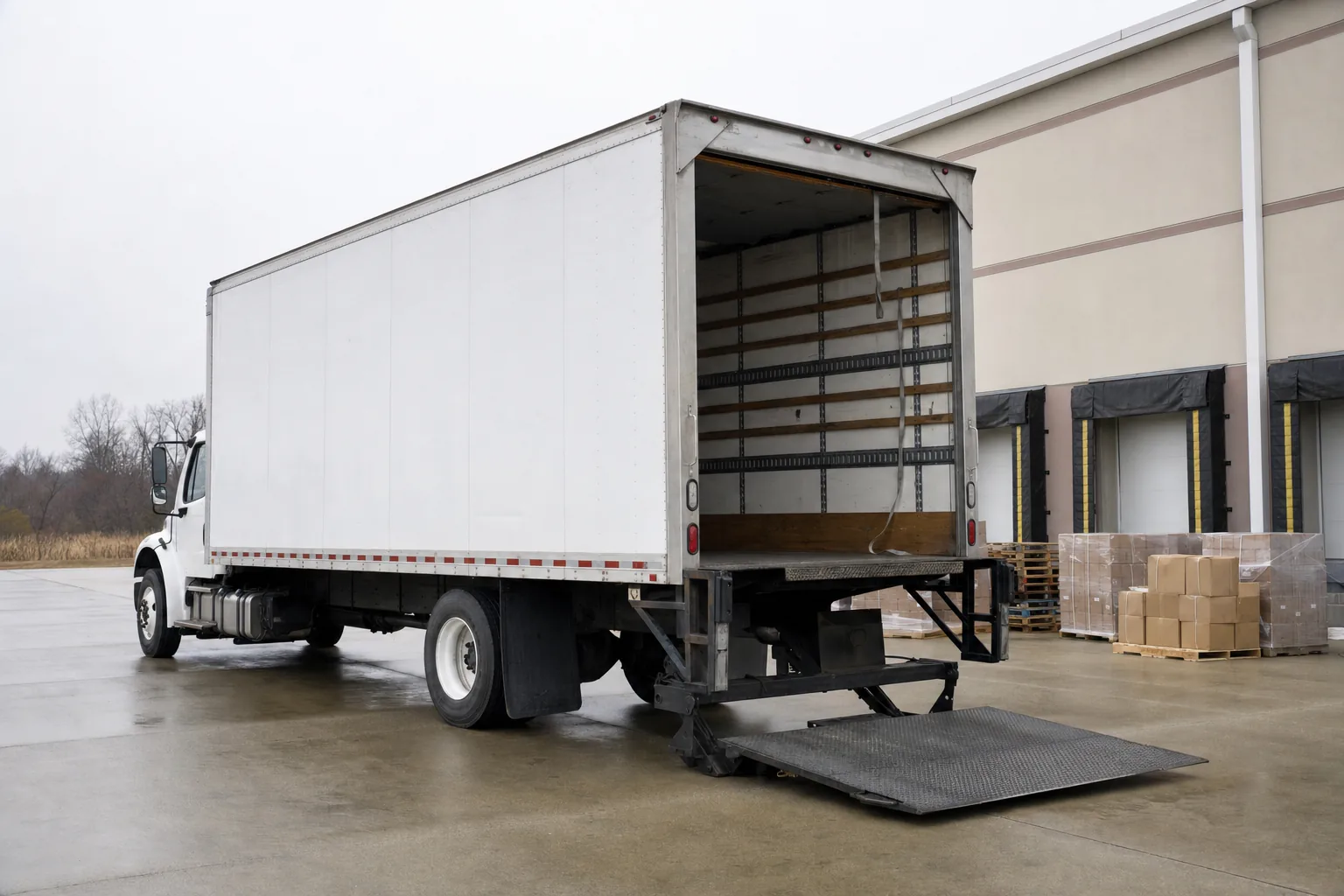


Independent carriers running 16-26 ft box trucks often ask the same question before entering the freight market:
How much do box truck loads actually pay?
The answer depends on several factors – including freight type, distance, lane density, and reload timing. While many new operators focus only on per-mile rates, experienced carriers evaluate loads based on how efficiently a truck can move through freight corridors.
Understanding how box truck load rates work in 2026 helps owner-operators make better decisions about lanes, loads, and operating strategy.
What Affects Box Truck Load Pay
Several structural factors determine how much box truck loads pay in real operations.
| Factor | Impact on Earnings |
| Distance | Shorter loads often pay higher per mile but less total revenue |
| Freight Type | Expedited and time-critical freight usually pays more |
| Location | Logistics hubs create stronger freight demand |
| Reload Timing | Faster reloads increase weekly revenue |
| Broker Relationships | Repeat freight often stabilizes rates |
Because of these variables, two loads with similar rates can produce very different weekly income.
Average Box Truck Load Rates in 2026
Across most regional freight markets, box truck load rates typically fall within the following ranges:
| Load Type | Average Rate |
| Local loads | $1.40 – $2.00 per mile |
| Regional freight | $1.70 – $2.40 per mile |
| Expedited shipments | $2.00 – $3.00+ per mile |
However, per-mile rates only tell part of the story.
Unlike long-haul semi-truck freight, many box truck loads are shorter and time-sensitive, which means total revenue per shipment can vary significantly.
Examples include:
- a 120-mile warehouse transfer paying $250–$400
- a regional distribution run paying $600–$900
- expedited freight shipments exceeding $1,200
The key variable is how quickly the truck reloads after delivery. Drivers looking for consistent freight often rely on curated job networks rather than scanning load boards all day. One example is the box truck owner operator jobs section on ExpeditedJobs, where carriers can view active freight opportunities and contracts.
Why Per-Mile Rates Don’t Tell the Whole Story
Many new carriers assume the highest paying load automatically produces the best revenue.
In reality, experienced operators evaluate freight differently.
Two shipments may appear similar on a load board but produce very different outcomes depending on empty miles and reload timing.
| Scenario | Result |
| $2.40 per mile load with 200 empty miles | Lower weekly profit |
| $1.85 per mile load with immediate reload | Higher weekly revenue |
Because of this, successful owner-operators focus on freight density and lane consistency, not just posted rates.
Industry research from the American Transportation Research Institute (ATRI) also shows that empty miles remain one of the largest cost drivers for independent carriers.
Reducing those empty miles often matters more than securing a slightly higher rate.


Typical Weekly Revenue for Box Truck Operators
When trucks run efficiently within strong freight corridors, many operators complete 4-6 loads per week depending on distance and reload timing.
Typical weekly gross revenue ranges from:
| Operating Pattern | Weekly Gross |
| Low utilization | $2,000 – $3,000 |
| Structured regional lanes | $3,500 – $5,000 |
| Expedited freight networks | $5,000+ |
These numbers depend heavily on how consistently the truck reloads.
Because of this, experienced operators focus on weekly planning and positioning rather than evaluating each load individually.
Most independent carriers find freight using a combination of load boards, broker relationships, dispatch services, and freight networks.
Drivers who want more consistent income often focus on building repeat freight lanes rather than relying only on load boards. For a deeper breakdown of how operators actually secure steady freight, see How to Get Steady Box Truck Loads in 2026.
Why Lane Selection Matters More Than Rate
Many new owner-operators spend too much time chasing the highest paying load on a board.
But stable income usually comes from predictable freight corridors where reload opportunities are frequent.
Examples of strong box truck freight lanes include:
- Chicago → Indianapolis distribution corridor
- Dallas → Houston logistics route
- Atlanta → Charlotte warehouse lane
These routes contain dense warehouse networks that generate repeat freight.
Trucks operating within these regions often maintain more consistent load flow than those running unpredictable nationwide routes.
Where Operators Find Box Truck Loads
Most independent carriers find freight using a combination of:
- digital load boards
- broker relationships
- dispatch support
- freight networks
If you’re exploring the tools many operators use to find freight, see: Best Load Boards for Box Trucks
That guide explains which box truck load boards are commonly used by independent carriers and how they help operators locate shipments.
Beyond Load Boards: Building Consistent Freight
While load boards provide visibility into available freight, consistent income usually develops through broader operational strategy.
Successful owner-operators often combine several elements:
- repeat broker relationships
- predictable regional lanes
- disciplined weekly planning
- strategic truck positioning
Over time, these factors reduce the need to constantly search for new loads and allow carriers to maintain a steadier freight flow.
Ready to Start Running Loads?
Browse current opportunities for independent carriers and find your next shipment today.
Frequently Asked Questions
What actually drives the rate on a box truck load?
Rate isn’t set by one thing. It moves with how tight capacity is in a given area, how urgent the freight is, how far the load runs, and whether a truck is needed right now or can wait a day. A load that has to move immediately will usually price higher than one with a flexible pickup window, simply because fewer trucks are available on short notice. Freight that requires liftgate work, hand unloading, or extra stops also tends to price differently than a straight dock to dock run, since it takes more of your time and effort to complete. None of this is fixed. It shifts by lane, by day of the week, and by how many trucks are already sitting in that market looking for the same freight.
Does running with your own MC authority change what you get paid?
It can, but not automatically. Carriers with their own authority are free to book directly with brokers and shippers, which cuts out a layer between you and the rate being offered. That said, direct booking also means you’re the one negotiating, chasing paperwork, and handling every relationship yourself. Operators who run through a dispatch service or a curated freight network give up some of that direct control, but they often gain steadier lane assignments and less time spent hunting for the next load. Neither path is automatically better paying. It comes down to whether you’d rather spend your hours negotiating or driving.
How much does deadhead actually cost you?
More than most new operators expect. Every mile you run empty still burns fuel, still wears the truck, and still eats a chunk of your week, but it earns nothing. A load that looks like the better paying option on paper can end up being the weaker choice once you account for the empty miles needed to reach it or the empty miles left over after delivery. Experienced operators weigh a load against where it leaves them, not just what it pays to get there. A slightly lower paying load that drops you in a strong freight area is often worth more over a full week than a higher paying load that strands you somewhere with nothing to reload.
What’s the most reliable way to raise your effective pay?
Chasing the single highest rate on a board rarely moves the needle as much as tightening your operation overall. Cutting deadhead, sticking to lanes you already know have repeat freight, and building relationships with brokers or a freight network who call you first all add up over a month more than any one high paying load ever will. Consistency in how fast you reload matters just as much as what any individual shipment pays. Operators who treat pay as a weekly number, not a per load number, tend to make steadier decisions and end up ahead of drivers who bounce around trying to catch the top rate every time.
Does pay change with the seasons?
Yes, though the pattern varies by region and freight type. Certain stretches of the year bring tighter capacity as retail, produce, or holiday-driven freight picks up, which can push rates upward in the lanes tied to that demand. Other stretches slow down as shippers pull back or as more trucks enter the market chasing the same freight, which softens rates. A box truck operator who pays attention to these swings can plan around them, leaning into busier lanes when demand is up and being more selective or diversifying lanes when things cool off. Ignoring seasonality and running the exact same pattern year round usually means absorbing the slow stretches instead of planning for them.
Should you turn down a load just because the rate looks low?
Not automatically. A lower rate that sets up a fast reload in a strong freight area can beat a higher rate that leaves you sitting. Before turning anything down, it helps to ask where the load actually puts you, how quickly you’re likely to find the next one from there, and whether the lane has a track record of repeat freight. Operators who evaluate loads purely on the number attached to them, without considering position afterward, tend to have more inconsistent weeks than those who think a step ahead.

Table of Content
- What Affects Box Truck Load Pay
- Average Box Truck Load Rates in 2026
- Why Per-Mile Rates Don’t Tell the Whole Story
- How Much Can My Box Truck Make Per Week?
- Typical Weekly Revenue for Box Truck Operators
- Why Lane Selection Matters More Than Rate
- Where Operators Find Box Truck Loads
- Beyond Load Boards: Building Consistent Freight
- Ready to Start Running Loads?
- Frequently Asked Questions