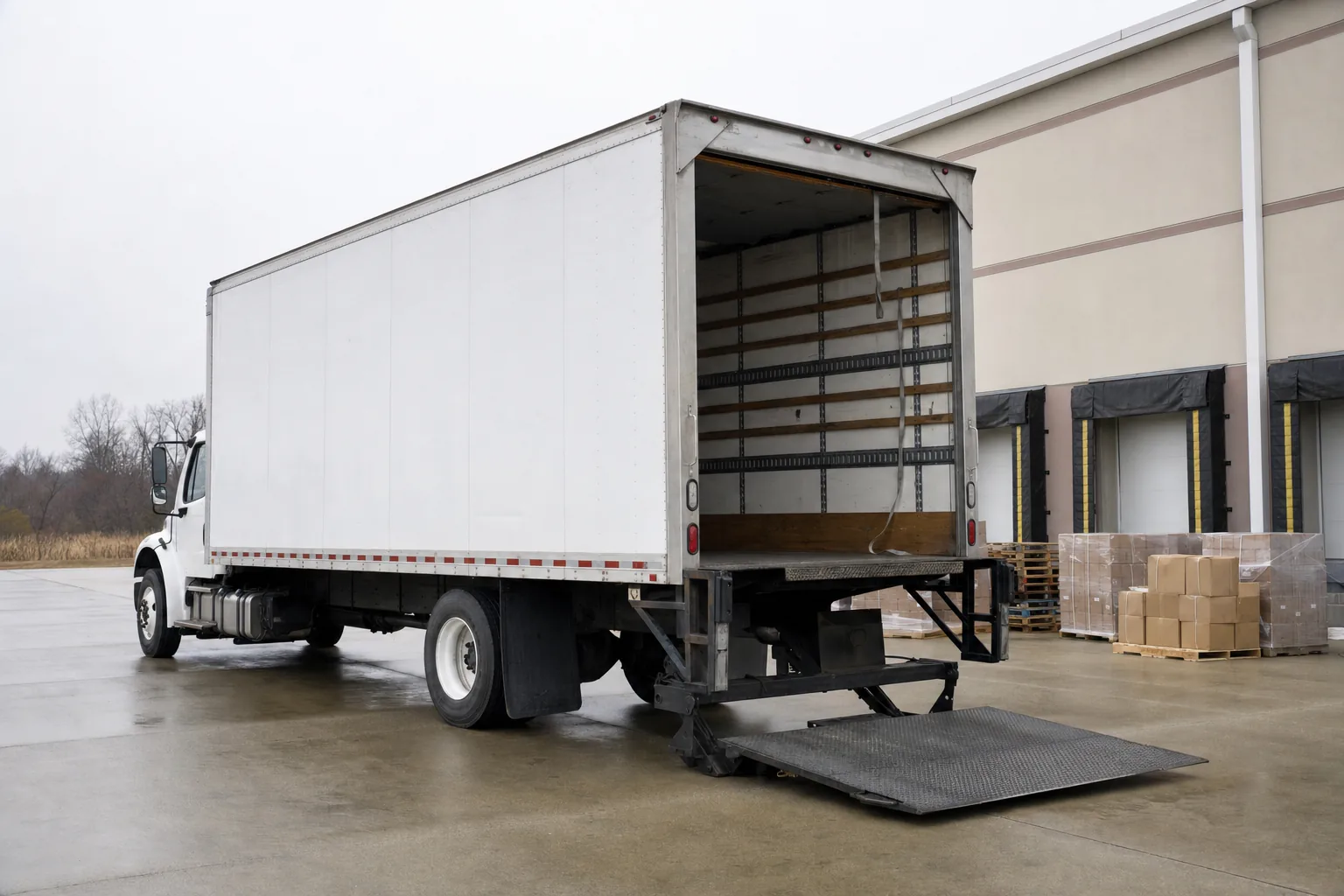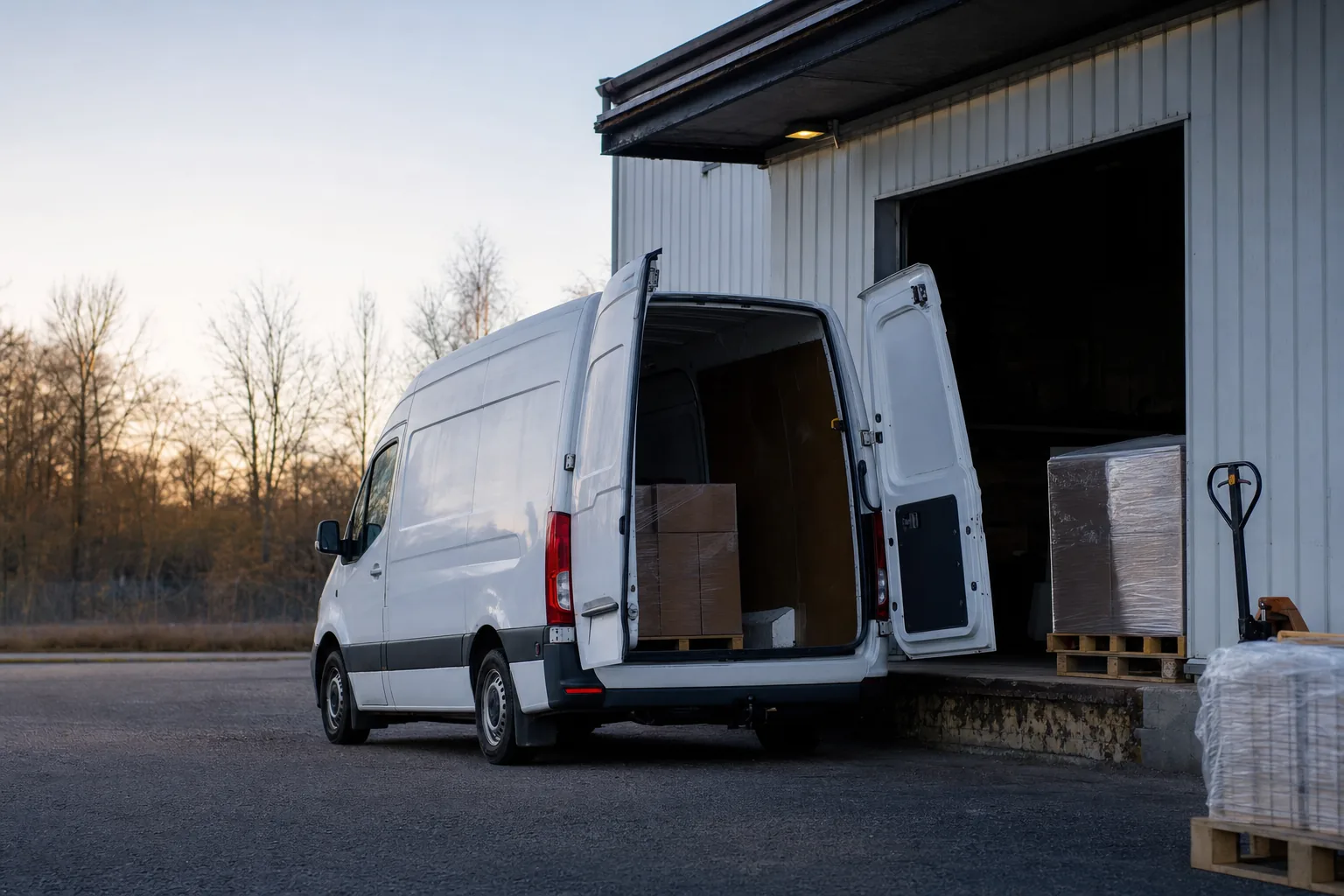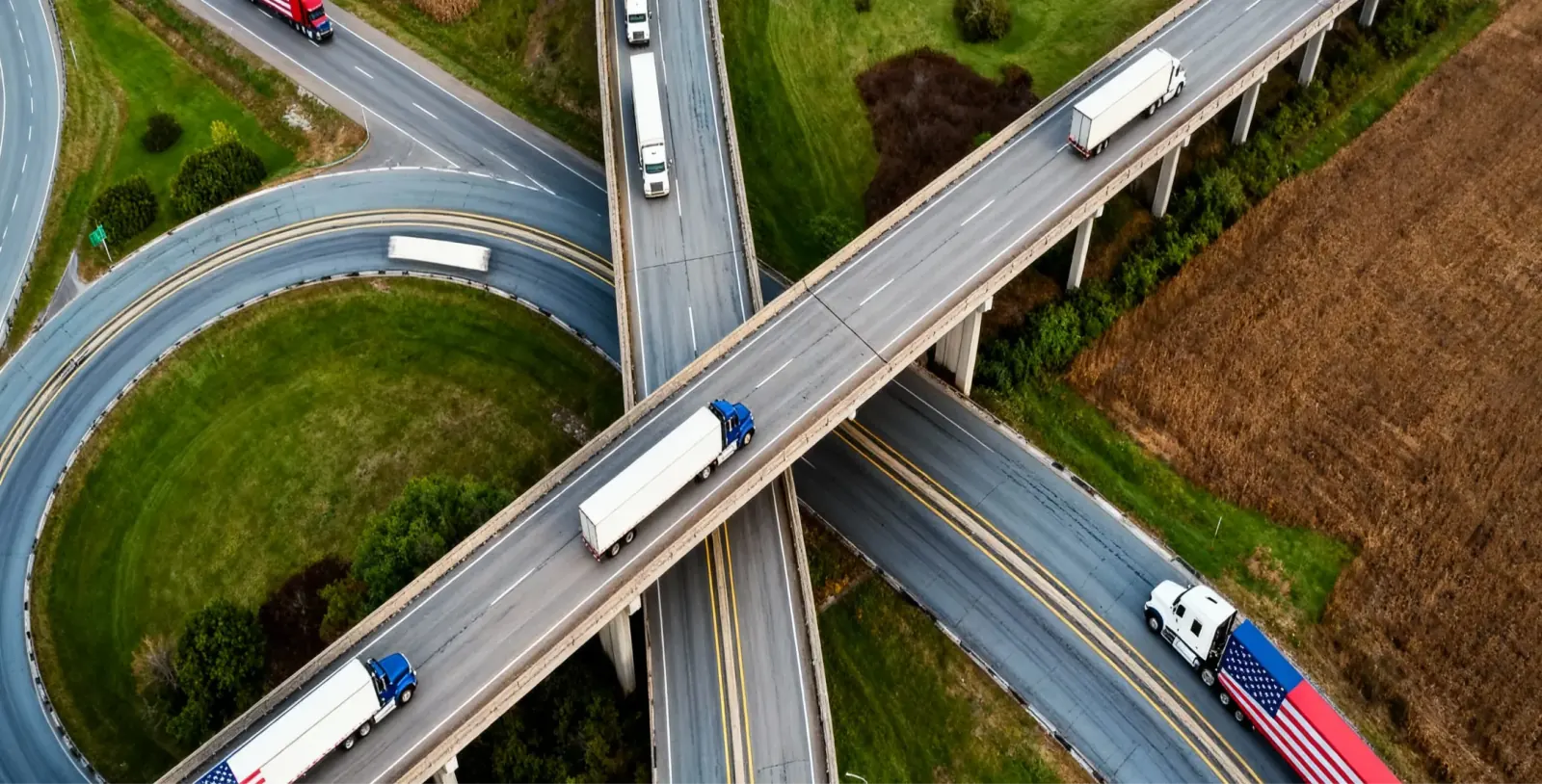



For owner-operators running 22–26 ft box trucks, freight availability often depends less on equipment and more on location.
Box trucks are widely used for regional freight, last-mile delivery, and expedited shipments. But not every state produces the same level of freight demand. Some regions generate constant load opportunities due to large warehouse clusters and logistics infrastructure, while others produce far fewer shipments.
Understanding where freight moves most consistently can dramatically reduce downtime, improve reload timing, and help drivers maintain stable weekly revenue. For drivers learning how to get box truck loads consistently, choosing the right freight markets is one of the most important factors.
In this guide, we’ll examine the best states for box truck loads in 2026, the logistics hubs that drive freight demand, and where owner-operators are most likely to find consistent box truck loads.
What Are the Best States for Box Truck Loads?
The best states for box truck loads in 2026 include Texas, Ohio, Pennsylvania, Georgia, Illinois, Florida, and Tennessee.
These states generate strong freight demand because they contain major logistics hubs, large warehouse networks, and major interstate corridors that connect distribution centers across the United States.
Cities such as Dallas, Atlanta, Chicago, Columbus, Memphis, and Philadelphia act as key freight centers where owner-operators often find consistent reload opportunities.
Why Freight Availability Depends on Geography
Box truck freight behaves differently from traditional long-haul trucking.
Most box truck loads involve regional distribution, meaning shipments typically move between warehouses, fulfillment centers, and retail locations within a few hundred miles. Because of this, freight tends to concentrate around areas with strong logistics infrastructure.
Several factors increase the availability of box truck loads in a region:
- high population density
- large warehouse clusters
- strong e-commerce distribution
- manufacturing activity
- access to major interstate highways
When these factors overlap, they create freight ecosystems where shipments move continuously between distribution centers and retail markets.
Owner-operators who position their trucks in these high-density freight areas are far more likely to secure consistent loads.
Recent freight market data shows that regional distribution demand continues to grow as e-commerce and same-day delivery expand across the United States. According to data published by the U.S. Bureau of Transportation Statistics and logistics industry reports from ATRI (American Transportation Research Institute), regional freight and last-mile delivery segments are among the fastest-growing areas of the trucking industry.
This growth has increased demand for flexible equipment such as box trucks, particularly in states with strong warehouse density and high consumer demand.
Why Logistics Infrastructure Drives Box Truck Freight
Freight demand does not appear randomly across the country. It tends to concentrate around major logistics infrastructure such as intermodal rail terminals, cargo airports, and large warehouse districts.
Cities like Chicago, Dallas, Atlanta, Memphis, and Columbus act as freight consolidation points where shipments arrive by rail, air, or ocean freight before being distributed to regional markets.
Box trucks play a crucial role in this stage of the supply chain because they provide the flexibility needed for regional distribution, store replenishment, and expedited shipments.
For owner-operators, operating near these logistics hubs dramatically increases the likelihood of finding consistent freight.
Freight Density by Major Logistics States
The following states consistently generate high volumes of box truck freight due to their logistics infrastructure and distribution networks.
| State | Major Freight Hubs | Why Demand Is Strong |
| Texas | Dallas, Houston | cross-border trade and massive warehouse networks |
| Ohio | Columbus, Cleveland | central Midwest distribution hub |
| Pennsylvania | Philadelphia, Harrisburg | gateway to Northeast consumer markets |
| Georgia | Atlanta, Savannah | major Southeast logistics hub |
| Illinois | Chicago | intermodal rail and national freight corridors |
| Florida | Jacksonville, Orlando | strong retail and tourism supply chains |
| Tennessee | Memphis, Nashville | central logistics location and cargo hubs |
These states sit along some of the most active freight corridors in the country, making them reliable markets for box truck owner-operators.
Texas
Texas remains one of the strongest freight markets in the United States for box truck operators.
The state’s logistics ecosystem is driven by several large metropolitan areas including Dallas–Fort Worth, Houston, Austin, and San Antonio. These cities support extensive warehouse networks that move goods throughout the South and Midwest.
Texas also benefits from cross-border trade with Mexico, which creates steady freight flows that require regional distribution once shipments enter the U.S.
Many owner-operators running box trucks find consistent opportunities on lanes connecting Dallas, Houston, and San Antonio. Because these cities sit within a few hundred miles of each other, drivers often complete multiple shipments within a single week.
Ohio
Ohio has long been considered one of the most strategic freight states in the country.
Cities such as Columbus, Cleveland, and Cincinnati sit within a one-day drive of a large percentage of the U.S. population. This geographic advantage makes Ohio an ideal location for distribution centers serving both the Midwest and Northeast.
Manufacturing activity across the region also generates steady shipments of industrial components and time-sensitive freight. These shipments frequently move via box trucks because of their flexibility and speed.
Many owner-operators use Columbus as a central reload point when running lanes between Chicago, Detroit, and Indianapolis.


Pennsylvania
Pennsylvania plays an important role in connecting Midwestern freight markets with high-density consumer regions in the Northeast.
Large warehouse clusters near Philadelphia and Harrisburg support e-commerce distribution across New York, New Jersey, and surrounding states. This concentration of fulfillment centers generates steady regional shipments that frequently move via box truck.
Drivers operating in Pennsylvania often run short-to-mid distance lanes between Philadelphia, New Jersey, and New York, allowing them to maintain consistent freight schedules without traveling long distances.
Georgia
Atlanta is one of the most important logistics hubs in the Southeastern United States.
The city sits at the intersection of several major interstate highways and serves as a central distribution point for goods moving across the Southeast.
Georgia also benefits from the growth of the Port of Savannah, one of the fastest-expanding container ports in North America. Cargo entering the port frequently requires inland distribution, which creates additional demand for box truck freight.
Many owner-operators run lanes connecting Atlanta with Florida, Tennessee, and the Carolinas.
Illinois
Illinois, and particularly the Chicago metropolitan area, remains one of the largest freight markets in North America.
Chicago’s intermodal rail terminals, warehouse districts, and distribution centers generate enormous volumes of freight moving across the Midwest.
For box truck operators, the region offers frequent opportunities for regional shipments connecting Chicago with nearby markets such as Milwaukee, Detroit, and Indianapolis.
Because freight density in Chicago is extremely high, many drivers rely on the city as a primary reload hub when planning regional routes.
Florida
Florida’s freight demand is largely driven by population growth, tourism, and retail distribution.
Major cities including Jacksonville, Orlando, Tampa, and Miami generate steady shipments serving retail stores, hotels, and distribution centers.
However, Florida’s freight market has a unique characteristic: loads moving into the state are often easier to find than loads leaving the southern regions.
For this reason, many experienced owner-operators position themselves in northern freight hubs such as Jacksonville, where interstate corridors provide better access to outbound loads.
Tennessee
Tennessee has become an increasingly important logistics center due to its central location.
Memphis hosts one of the largest cargo hubs in the world, while Nashville has seen rapid growth in warehouse development and e-commerce fulfillment centers.
Together, these cities create strong demand for regional freight moving between the Southeast and Midwest.
Common routes include Memphis to Dallas, Nashville to Chicago, and Memphis to Atlanta.
Major Freight Corridors for Box Trucks
While individual states matter, freight tends to move along major logistics corridors connecting distribution hubs.
| Freight Corridor | Key Markets |
| Midwest Corridor | Chicago – Indianapolis – Columbus |
| Northeast Corridor | Philadelphia – New York – New Jersey |
| Southern Corridor | Atlanta – Nashville – Memphis |
| Texas Triangle | Dallas – Houston – San Antonio |
These corridors generate consistent freight flows and help owner-operators minimize empty miles.
Current Demand for Box Truck Owner-Operators
Freight demand for box trucks has increased as retailers and e-commerce companies continue expanding regional distribution networks. Many logistics providers now rely on box trucks for time-sensitive freight, local distribution, and expedited shipments.
As a result, owner-operators running 22–26 ft box trucks remain one of the most in-demand equipment types across regional freight networks.
Current Demand for Owner-Operators
Across major logistics corridors, demand for owner-operators remains strong.
Current opportunities on ExpeditedJobs include:
| Equipment | Active Loads |
| Box Trucks | 27 |
| Sprinter Vans | 14 |
| Cargo Vans | 9 |
How Owner-Operators Stay Consistently Loaded
Finding freight consistently requires more than choosing the right state.
Successful owner-operators combine several strategies to maintain a steady flow of shipments. Many focus on high-density logistics regions where reload opportunities are easier to secure. Others develop long-term relationships with brokers who regularly move regional freight.
Drivers often use a mix of tools including dispatch support, freight networks, and load boards for box trucks to maintain consistent freight access.
This diversified approach reduces downtime and helps operators build reliable weekly revenue.
Frequently Asked Questions About Box Truck Loads
What state has the most box truck loads?
States such as Texas, Illinois, Ohio, and Georgia typically generate the highest volume of box truck freight due to large warehouse networks and strong logistics infrastructure.
Where do most box truck loads originate?
Most box truck loads originate from distribution centers, manufacturing facilities, and e-commerce warehouses located near major interstate highways and metropolitan areas.
Are box truck loads regional or long haul?
Most box truck loads are regional shipments between 150 and 600 miles. However, expedited shipments may occasionally travel longer distances.
How do owner-operators find box truck loads?
Owner-operators commonly find freight through load boards, broker relationships, dispatch services, and freight networks that connect drivers with available shipments.
Ready to Start Running Loads?
Understanding freight markets is helpful, but the goal for most drivers is to find real loads they can run immediately.

Table of Content
- What Are the Best States for Box Truck Loads?
- Why Freight Availability Depends on Geography
- Why Logistics Infrastructure Drives Box Truck Freight
- Freight Density by Major Logistics States
- Texas
- Ohio
- Looking for Box Truck Loads Right Now?
- Pennsylvania
- Georgia
- Illinois
- Florida
- Tennessee
- Major Freight Corridors for Box Trucks
- Current Demand for Box Truck Owner-Operators
- Current Demand for Owner-Operators
- How Owner-Operators Stay Consistently Loaded
- Frequently Asked Questions About Box Truck Loads
- Ready to Start Running Loads?