


As an owner-operator in the U.S. trucking industry, your dispatcher is key to keeping your business running smoothly. However, what if you start noticing trucking dispatcher red flags instead of reliable support? If it feels like your dispatcher is giving you more headaches than help, it might be time to take a closer look. In this guide, we’ll walk through 5 clear signs that you’re working with the wrong freight dispatcher and show you what to do about it. From hidden fees and freight dispatch scams to forced-dispatch contracts, we’ll help you spot problems early and find a better solution for your trucking business.Попробуй в
1. Poor Communication: A Major Red Flag for Owner-Operators
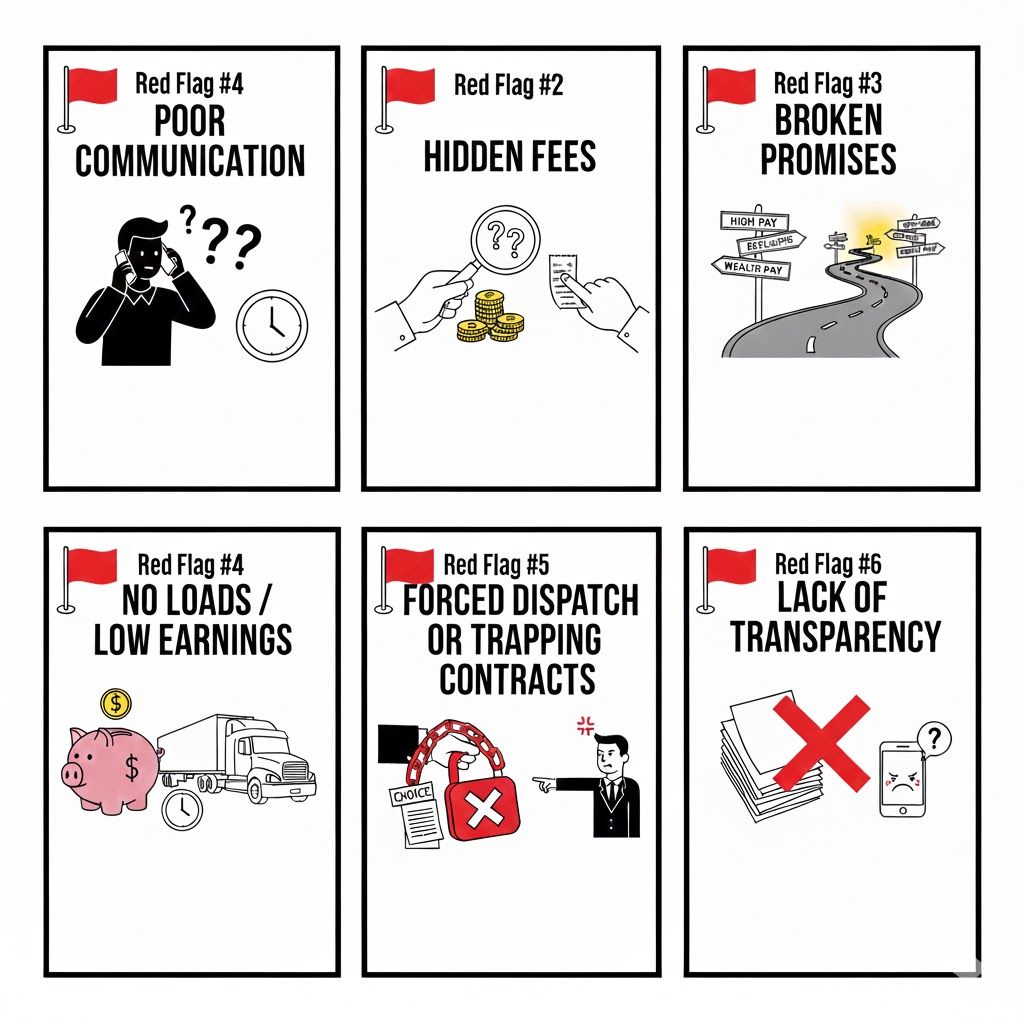
Communication is the backbone of freight dispatching. If your dispatcher is too hard to reach, goes silent when you need answers, or responds late on important details, it’s a big warning sign. Poor communication can lead to missed loads, confusion about schedules, and extra stress on the road. For example, if you’re waiting all day for a load assignment or updates about routes and all you hear is radio silence, your productivity suffers. This is not just frustrating – it’s costing you money.
What to do: Insist on clear, two-way communication. Let your dispatcher know your preferred contact method (phone, text, email, or CB) and how quickly you need replies. If your dispatcher continues to ignore messages or gives vague updates, it might be time to look for a more responsive partner. Remember, a good dispatcher will keep you informed every step of the way and respect your time.
2. Hidden Fees and Charges: Watch Out for Dispatch Scams
Pay attention to how your dispatcher is paid. Hidden fees beyond the agreed commission percentage are a classic freight dispatch scam. Some shady dispatchers lure owner-operators with promises of high-paying loads and then hit them with unexplained fees, weekly subscription charges, or unexpected deductions from your freight bill. Always read your dispatch contract carefully: you should only pay the flat percentage or commission rate agreed up front.
What to do: Clarify all fees before you sign any contract. If a dispatcher mentions “special fees” or bonus charges after you’ve started hauling, ask for details and negotiate them out. Ideally, agree on a clear commission (like a flat 10%) in writing. If it’s not transparent, that’s a sign to walk away. A reputable dispatcher will never surprise you with hidden costs or shady “slotting” fees.
3. Broken Promises: Overhyped Guarantees That Don’t Deliver
Have you heard the promises: “We’ll get you exclusive high-paying lanes” or “You’ll have back-to-back loads all the time”? If these overhyped guarantees from your dispatcher never materialize, you’re facing a red flag. Many bad freight brokers or dispatchers will brag about golden opportunities to hook you in, only to fall short when it’s time to perform. You might find yourself logging more empty miles or low-paying loads instead of the lucrative runs you were promised.
What to do: Demand accountability. Ask your dispatcher to explain why promised loads didn’t happen. Track the loads you’re actually getting versus the ones that were promised. If it turns out they were just selling a dream, it’s time to consider a new dispatch service. A trustworthy dispatcher will be honest about what to expect and work with you to build profitable lanes – not just make empty promises.
4. No Loads or Low Earnings: Know Your Earnings and Options
One of the worst signs is when you’re paying a dispatcher but barely making money. If you’re dealing with long idle times or taking low-paying freight despite using a dispatch service, that is a serious problem. Paying dispatch fees should help increase your earnings, not drain them. Some owner-operators discover the hard way that their dispatcher isn’t effectively hunting for loads or is sending them on unprofitable routes. This can feel like getting scammed out of your hard-earned dollars.
What to do: Track your earnings closely. Compare weeks with and without your dispatcher to see if their service is really worth it. Look at your profit after deducting dispatch fees – it should still be a healthy number. If you notice that you’re consistently underpaid or idle a lot, talk to your dispatcher about new strategies. If nothing changes, it might be time to find a better freight dispatch service. Remember, you deserve to be busy with good-paying loads, not constantly waiting for work.
5. Forced Dispatch Contracts: You Should Always Have a Choice
Be cautious of contracts that pressure you to take every load or penalize you for refusing work. This is known as forced dispatch, and it’s a big trap for independent owner-operators. Some dispatchers or carriers will include clauses where you owe money or face fines if you turn down a load. This is illegal in many places and certainly unethical. No matter what, you should have the freedom to say no to a load that doesn’t fit your schedule, pays too little, or runs you into unfavorable zones.
What to do: Read your contract carefully. Never agree to punitive clauses that lock you in. If you feel pressured to sign a “take-all-loads” contract, walk away. A fair dispatcher will offer non-forced dispatch terms, meaning you can accept the best loads for you without fear of penalty. If you’re already in a bad contract, consider seeking legal advice or switching to a broker that offers flexible, owner-friendly terms.
How to Choose the Right Dispatcher
Now that you know the red flags – trucking dispatcher red flags, hidden fees, broken promises, and forced dispatch contracts – it’s time to take action. Here are some tips to help you pick a reliable freight dispatcher:
- Check Communication Style: During your first meetings, notice how responsive and clear they are. Good dispatch services will listen to your needs and explain their process.
- Review Fees and Contracts: Look for transparent pricing. A respected dispatcher charges a clear percentage or flat fee without sneaky add-ons.
- Ask for References: Talk to other owner-operators who work with them. Real-world feedback can reveal if this dispatcher really delivers on promises.
- Compare Forced vs Non-Forced Dispatch: Confirm that you can choose loads. The ability to refuse undesirable loads means a dispatcher truly has your interest in mind.
- Monitor Your Results: Even after you choose a dispatcher, keep an eye on your earnings and load details. If you start spotting these red flags again, address them early.
Choosing the right dispatcher can feel overwhelming, but doing your homework will pay off. With transparent dispatch fees and contracts, open communication, and realistic load planning, you’ll avoid common dispatch scams and build a better partnership. Keep these warning signs in mind as you work with your dispatcher, and don’t be afraid to make a change if something feels off. Your trucking business depends on it!
If more of these red flags sound familiar than reassuring, it’s time for a change. At ExpeditedJobs.com, we partner only with carriers who value honesty and transparency. You’ll never get snuck-up fees or forced loads – just clear communication and fair deals.
When dispatch becomes a liability instead of a support system, the underlying issue is often lack of control. Many owner-operators eventually realize that working with freight sources where partners are vetted before loads reach the driver reduces miscommunication, pressure tactics, and income volatility. For operators looking to regain control, exploring owner-operator jobs built around pre-screened freight can be a practical alternative to staying stuck with a broken dispatch setup.

Table of Content
- 1. Poor Communication: A Major Red Flag for Owner-Operators
- 2. Hidden Fees and Charges: Watch Out for Dispatch Scams
- 3. Broken Promises: Overhyped Guarantees That Don’t Deliver
- 4. No Loads or Low Earnings: Know Your Earnings and Options
- 5. Forced Dispatch Contracts: You Should Always Have a Choice
- How to Choose the Right Dispatcher